
Ice dams are destructive -- and completely preventable
Ice dams form when heat escapes into your attic and melts snow on the roof. The fix is insulation, air sealing, and proper ventilation -- and as an Energize CT Authorized Contractor, we handle work that qualifies for rebates covering 75-100% of insulation costs for eligible families.
What ice dam prevention delivers
Advanced air sealing closes the gaps that let hot air pass between your living space and the attic floor. Sealing and insulating the heating ductwork stops conditioned air from escaping into the attic. The heat your furnace produces stays where you need it.
We increase attic airflow to one square foot of ventilation for every 300 square feet of floor space, and add R-49 insulation that does not block soffit vents. When the roof deck stays at outdoor temperature, snow does not melt unevenly and ice dams cannot form.
With proper prevention, heating cables are often unnecessary -- they only melt channels through ice that has already formed. A sturdy gutter protection system is available too. The root cause is eliminated, so your gutters, eaves, and roof assembly stay protected. Most projects run $1,000 to $4,000 depending on attic size.
How it works
How ice dams form, and how the fix actually works
ROOT CAUSE
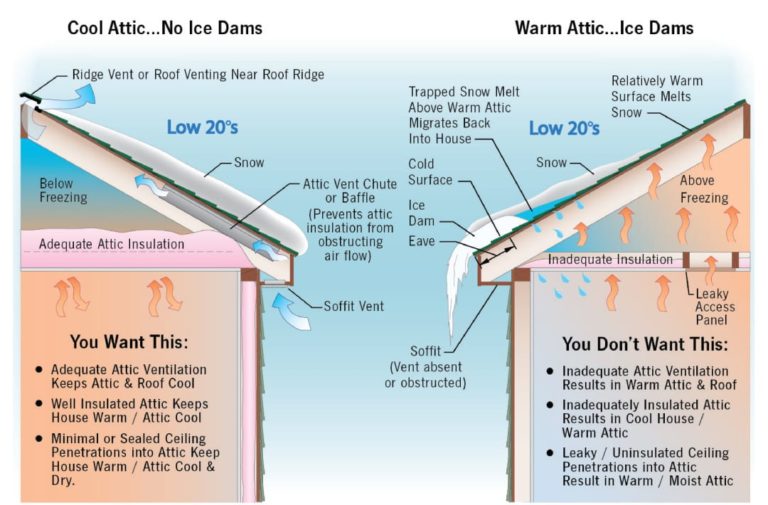
A warm attic — not the ice you see — is the real problem
The ice dam at your gutter is the symptom. Heat escaping from your living space through unsealed attic-floor gaps, uninsulated ducts, and inadequate insulation warms the roof deck, melts snow, and sends meltwater running to the colder eaves where it refreezes into a ridge that backs water under the shingles into your walls and ceilings.
- Unsealed attic-floor gaps, uninsulated ducts, and thin insulation drive heat escape
- Warm roof deck melts snow; meltwater refreezes at cold eaves into an ice dam
- Backed-up water penetrates shingles and causes wall and ceiling damage
THE FIX
Keep the roof deck as cold as the outside air
Prevention means matching attic temperature to outdoor temperature. We air seal gaps between your living space and the attic floor, seal and insulate heating ductwork so conditioned air stays in the ducts, increase ventilation to one square foot per 300 square feet of floor, and add R-49 attic insulation that does not block soffit vents — so snow melts evenly and dams cannot form.
- Air seal all gaps between living space and attic floor
- Insulate and seal ductwork; increase attic ventilation (1 sq ft per 300 sq ft)
- R-49 attic insulation installed without blocking soffit vents
Insulation rebates cover 75-100% of your project
Between Energize CT and federal tax credits, most CT families pay little to nothing for qualifying insulation work.
Energize CT insulation rebates
75-100% covered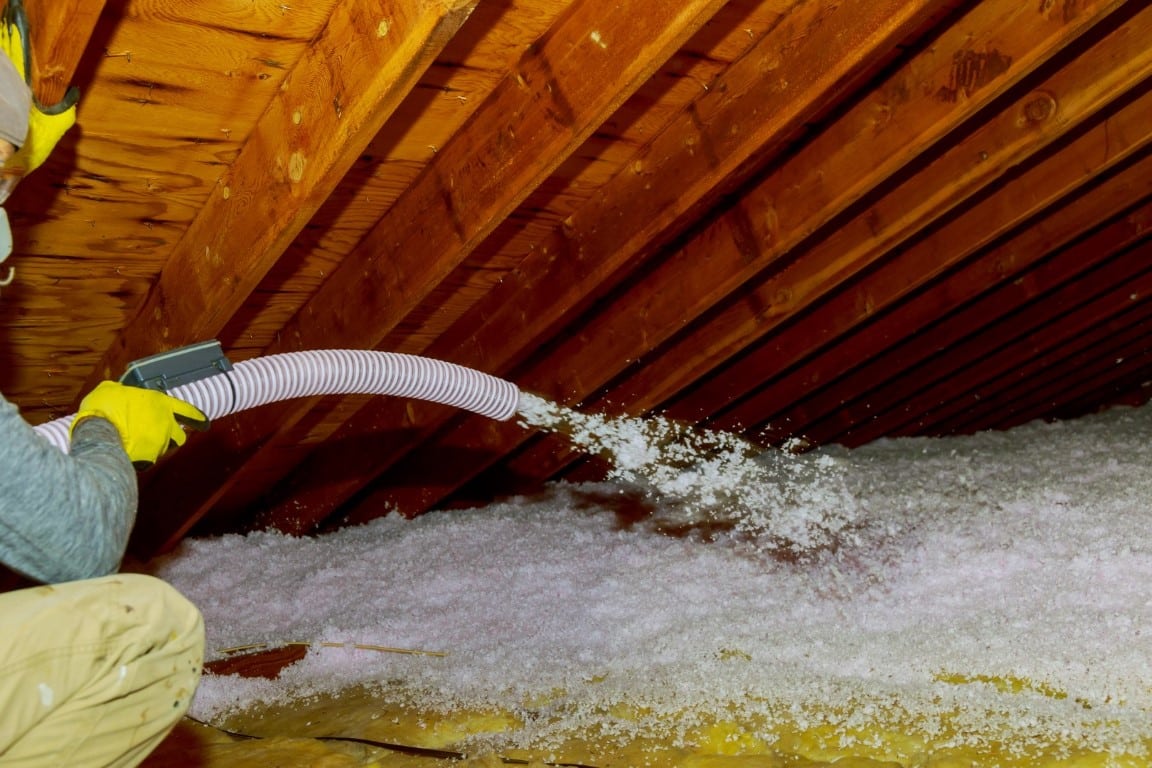
As an Energize CT Authorized Contractor, HCP helps you access rebates funded by your utility bill. Your home energy audit copay is just $40.
- $2.00/sq ft insulation rebate
- 75-100% of total project cost covered
- Includes attic, wall, basement, and crawl space
Financing for insulation projects
Low-rate financing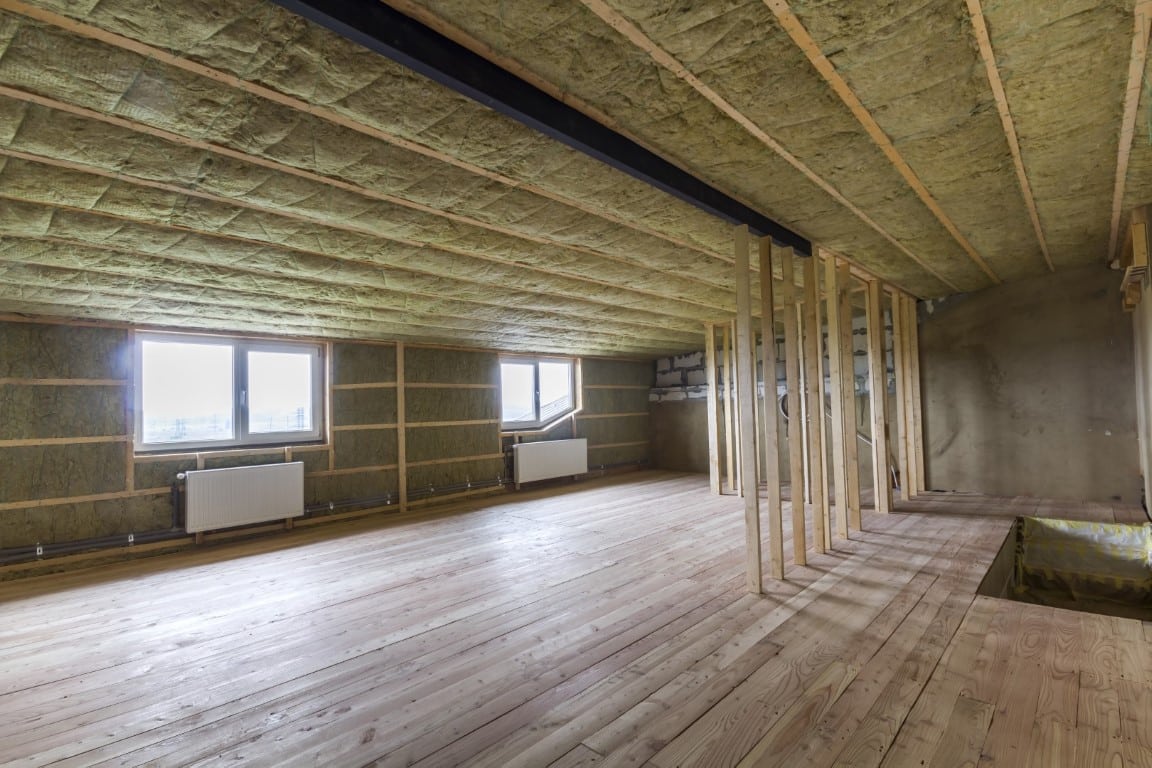
For the portion not covered by rebates and credits, flexible financing helps you start insulating now.
- Smart-E Loan low fixed rates for energy improvements
- On-bill financing pay through your monthly utility bill
Reviews from insulation and weatherization projects


Insulate every part of your home
Each area has unique challenges. We match the right material and technique to each space.
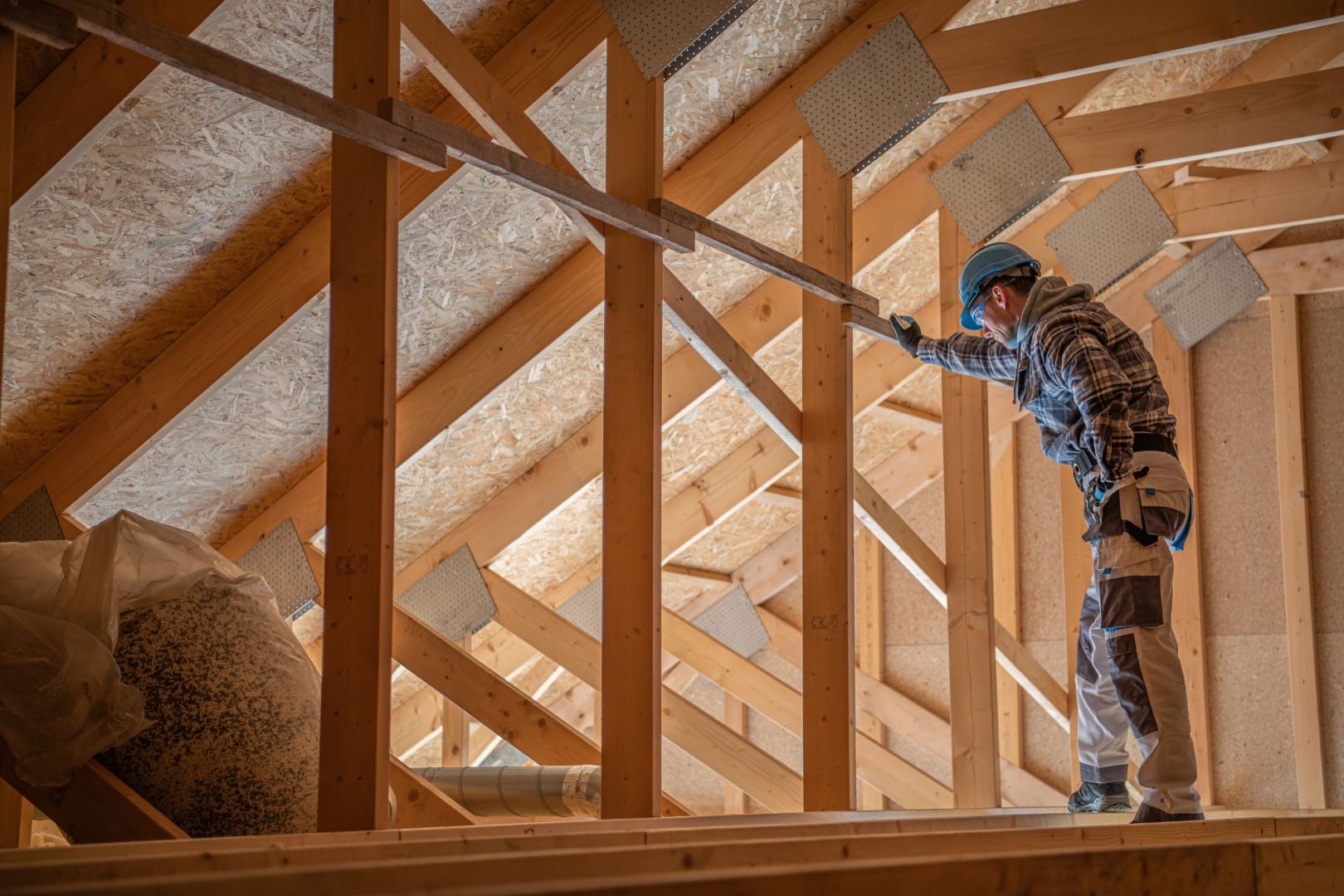
Attic Insulation
The single biggest impact on home comfort and savings
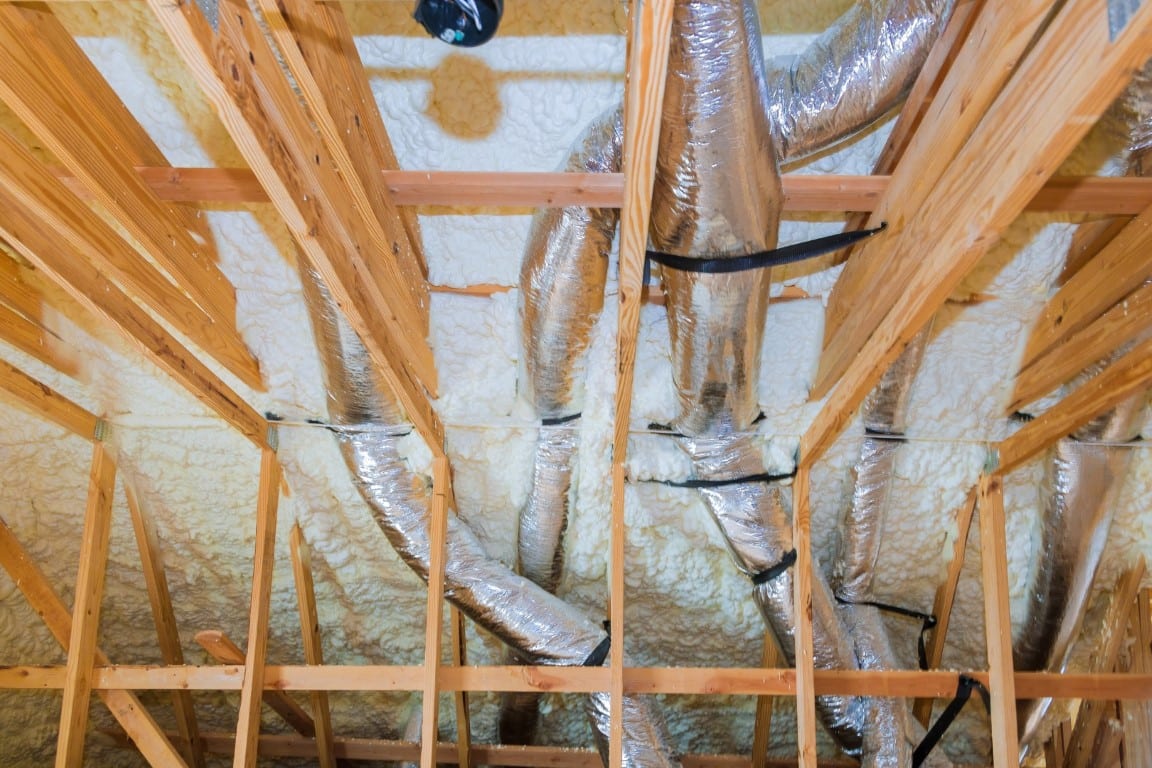
Wall Insulation
Dense-pack or injection foam for existing walls
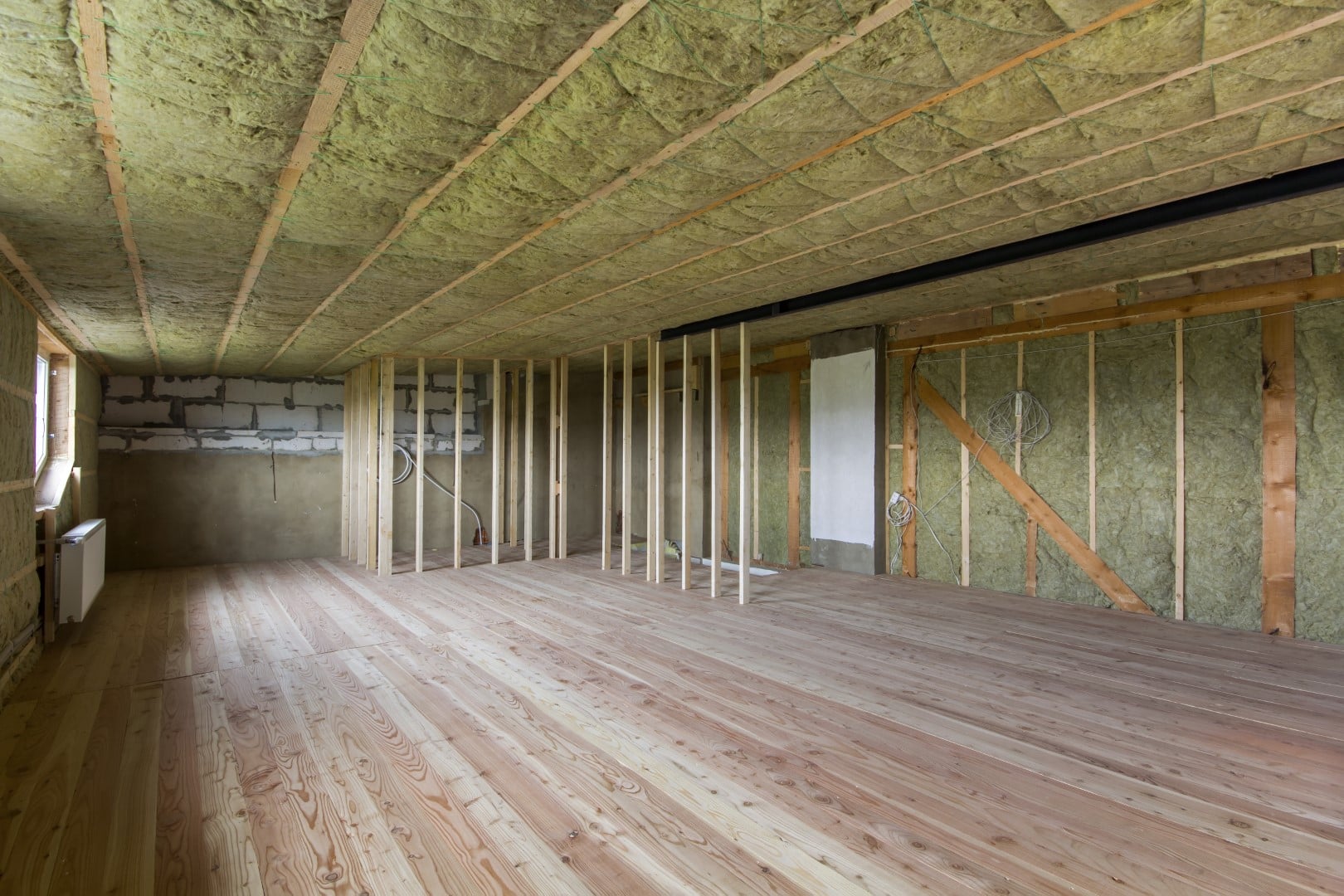
Basement Insulation
Stop moisture and heat loss below grade

Crawl Space
Encapsulation and insulation for forgotten spaces
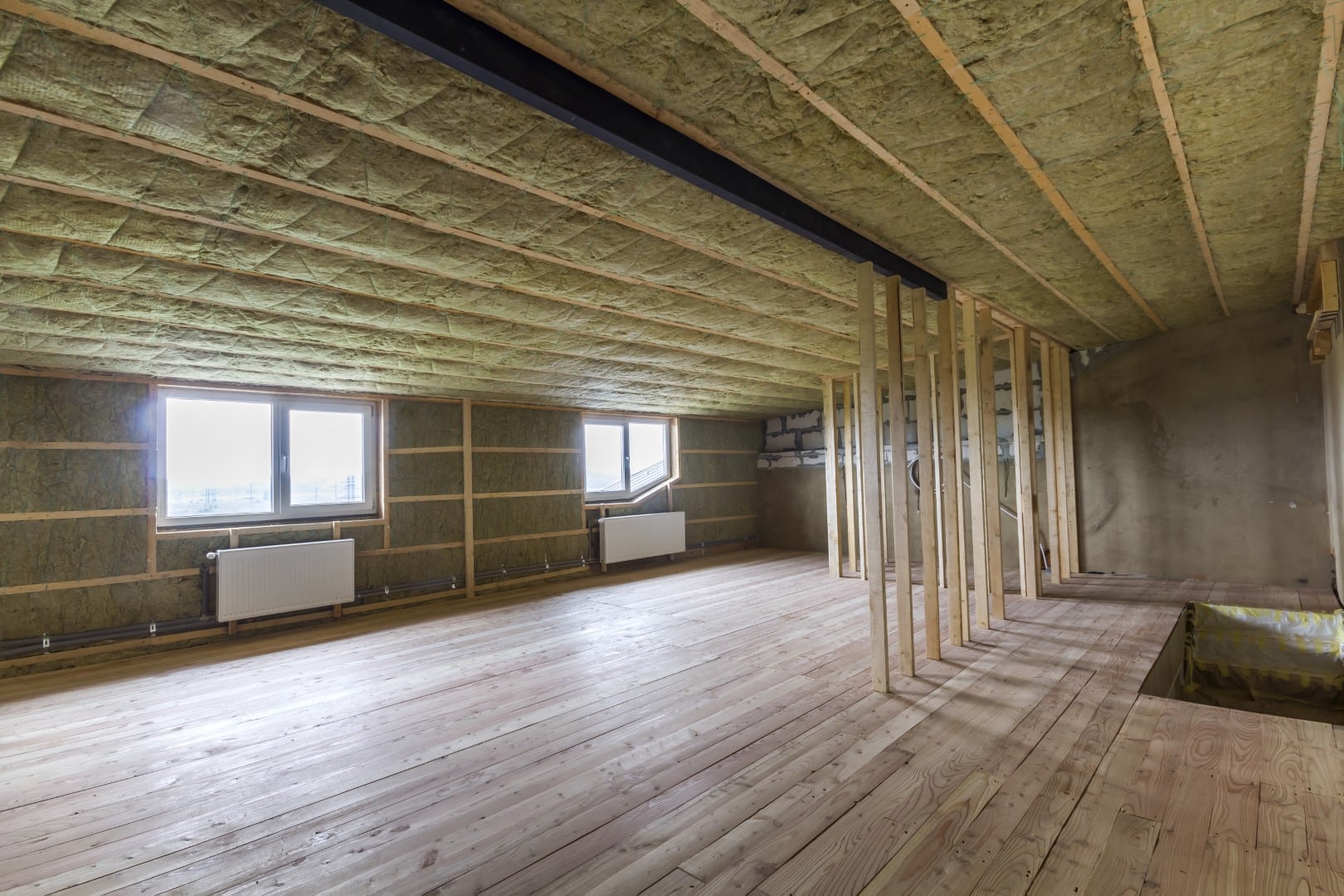
Floor Insulation
Comfort underfoot and over unconditioned spaces
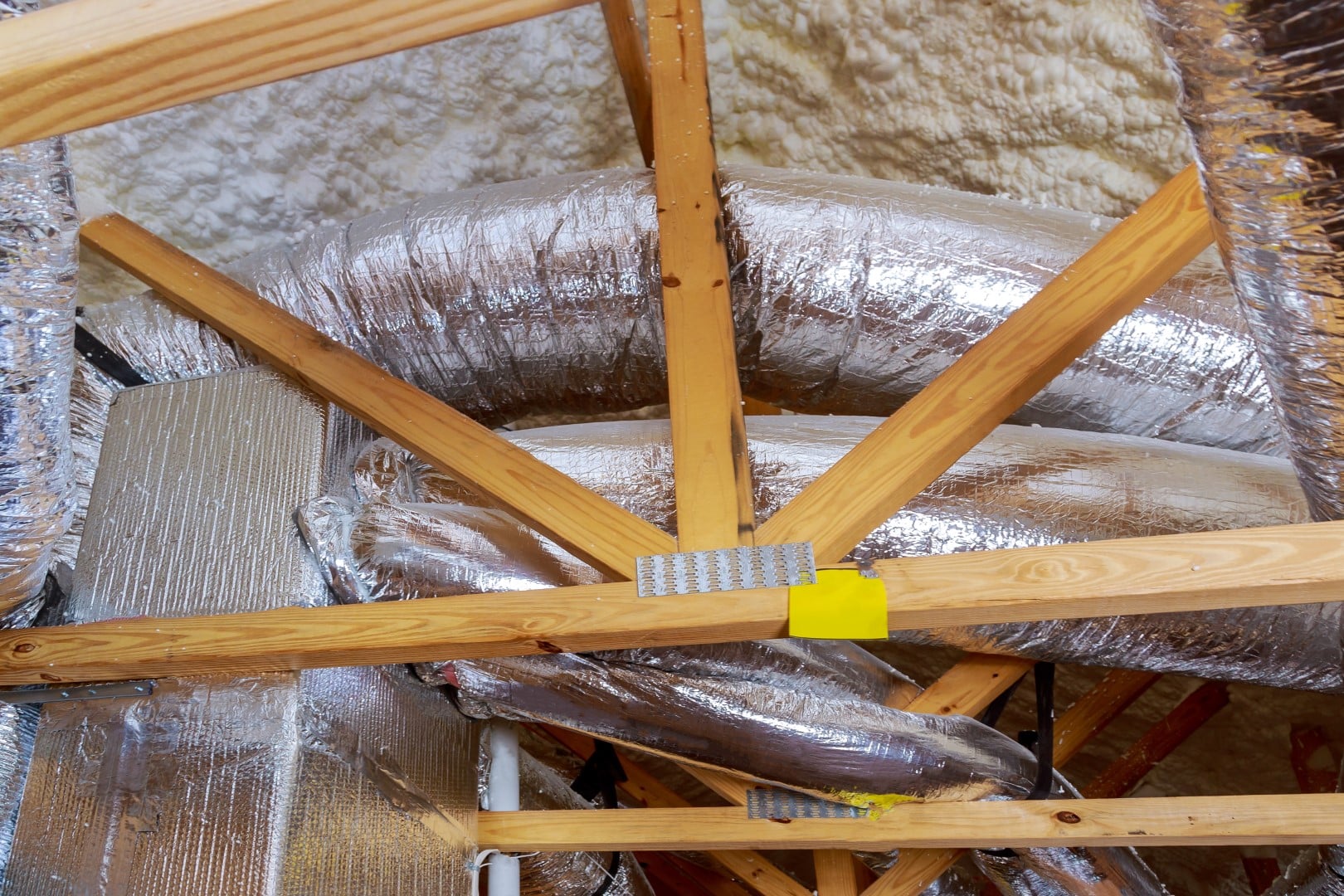
Duct Insulation
Seal and insulate ductwork to stop energy waste
Ceiling Insulation
Block heat loss through ceilings below unheated space
Foundation Insulation
Insulate foundation walls and rim joists at the base of the home

Talk to a specialist
Call (203) 457-3838 or schedule an audit to map the work your attic needs.
Prevent ice dams before next winter
An energy audit finds every gap letting heat into your attic. Energize CT rebates cover 75-100% of the insulation and air sealing costs for eligible families.