Pre-existing Housing Hazards and Remediation In Fairfield,Connecticut
Of homes we've worked with, roughly 80% percent have been eligible for no-cost energy savings services through the state’s residential efficiency programs. However, nearly 30% weren't able to weatherize due to health hazards discovered in their homes with a particular prevalence in Fairfield's older homes. Repairing pre-existing hazards can come with exhorbitant costs. That's why we work with local partners to reduce Fairfield homeowners' costs of getting these repairs done.
A crucial facet of this challenge can be traced back to the age of homes throughout the state. While newer homes often benefit from more recent construction, advanced materials and stringent rules on chemical composition evolved from our better understanding of health sciences, older homes are another story altogether. Older homes often suffer from structural damage and code violations as a result of deferred maintenance over longer periods of time. Moreover, homes built before 1970 are virtually all assumed to have asbestos, in addition to being much more susceptible to harboring other potential health hazards like water intrusion, mold and harmful chemicals like vermiculite and lead paint.
Housing Age
Homes by Type
Heating Fuel Used in Fairfield Homes
Household annual spending in this city
Households in Fairfield spend {Energy Burden} percent of their income on energy costs.
Compared to Connecticut average of.
After a simple audit, most homes cut this by savings-range1 and savings-range2
Homes insulated with blown in cellulose in city save between x and y.

Count
Electricity
Count
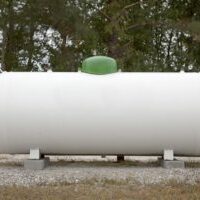
Tank/ LP Gas
Count
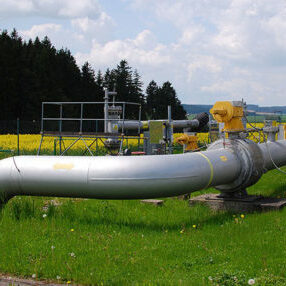
Utility Gas
Count
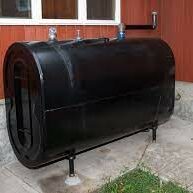
Fuel Oil
Count
Coal
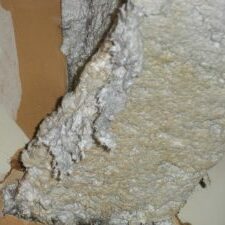
The average cost for asbestos abatement in Fairfield is between $1,200 and $2,800.
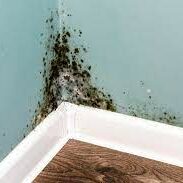
The average cost for mold removal in Fairfield is between $1,100 and $4,000.
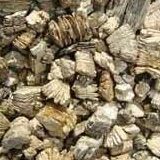
The average cost for vermiculite abatement in Fairfield is between $1,212 and $2,821
If you don't know whether or not you have a pre-existing health and safety hazard in your Fairfield home, sign up for an Home Energy Solutions Audit and we'll check! If you know you have a problem, reach out to us to be paired with a remediation partner and access to local resources.
Local Resources
Have difficulty paying your utility bills? Need rebates and financing for hazard removal? HCP strives to make Farifield homes healthier and more comfortable. Your best first step is to reach out to us. Here are some local partners we work with.
 In addition to helping those behind on utility payments, OperatioFuel's "Home Systems Repair and Replacement Program" has helped many families throughout Fairfield by paying to resolve their homes' pre-existing health and safety hazards.

The CT Green Bank provides low-interest loans for energy efficiency, reaching over 20,000 households per year. They've also launched the "Green & Healthy Homes Initiative" to help Fairfield residents remove mold and asbestos from their homes.

Connecticut Children's launched the "Healthy Homes" Intiative. Through this program, income-qualified Fairfield residents can receive remediation of health and safety hazards in their home with grants up to $5,000 per household.
EnergizeCT has a "Health & Safety Revolving Loan Fund" targeting primarily owners of multifamily housing in Fairfield and throughout Connecticut, which house low-income residents, to remediate health and safety issues that will enable energy improvements with loan amounts ranging from $10,000 to $300,000.
Town of Fairfield government programs
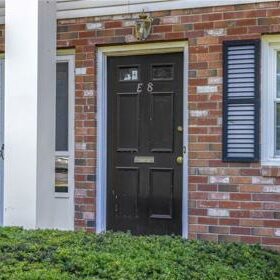
The town of Fairfield has programs to help residents improve the health and safety of their homes. Home Comfort Practice also collaborates with Fairfield's Department for Economic and Community development to help address Health and safety hazards. The town of Fairfield has the Single-family Rehabilitation Program which is administered by the Economic and Community Development currently under the directorship of Rina Bakalar.
The Single Family Rehabilitation program assists in preserving and upgrading Fairfield’s housing stock. The Town has developed a Neighborhood Revitalization Program, with funding provided by the Community Development Block Grant (CDBG). This program is intended to provide Fairfield homeowners with financial assistance in the form of special, no-interest program loans to perform needed improvements and repairs to their place of residence. Applicants must be income-eligible in order to participate in this program. Certain other restrictions do apply.
The Town will provide up to sixty percent (60%) of the total project cost based on the lowest of three valid quotations, up to a maximum of $15,000 per qualified applicant, per year. Financial assistance is provided in the form of a special, no-interest loan that is repaid when the owner sells and/or transfers the property, refinances, or passes away. The loan amount will be recorded as a lien on the property.
Fairfield homeowners must meet income guidelines established by the U.S. Department of Housing and Urban Development (HUD) in order to participate in this federally funded program.
HUD INCOME GUIDELINES as of 6/1/21
1 Household Resident: Income not to exceed: $55,950
2 Household Residents: Income not to exceed: $63,950
3 Household Residents: Income not to exceed: $71,950
4 Household Residents Income not to exceed: $79,900
5 Household Residents Income not to exceed: $86,300
6 Household Residents Income not to exceed: $92,700
7 Household Residents Income not to exceed: $99,100
8 Household Residents Income not to exceed: $105,500
Generally, the Town is seeking to fund projects that improve home condition, prevent
or correct physical deterioration, conserve energy or correct building codes
deficiencies, if present. Examples of projects that the Town has previously funded
under this program include:
• exterior painting, siding or roofing projects;
• installation of new or replaced storm windows and doors;
• handicapped accessibility improvements;
• lead-based paint or asbestos abatement;
• replacement boilers and/or hot water heaters;
• heating, plumbing or electrical improvements to address code deficiencies.
Work may not commence until the Program Administrator has reviewed and
approved the application and verified income eligibility. The homeowner is
responsible for securing all necessary permits prior to commencement of work.
Abatment and Remediation Partners in Fairfield
Below you'll find some of the some of the best Fairfield mold and asbestos removal companies. We are not directly affiliated with them but they've been known to do some good work. We also recommend you also do some further research as well as getting multiple quotes. We'd be happy to pass your information along via our network in hopes of finding you the best partners and prices.
"REBORN RECOVERY SERVICE is committed to creating a superior customer experience during a stressful repair and recovery process. We emphasize communication and education every step of the way."

We can help with any Asbestos, Mold or Lead Abatement issues as well as Decontamination Services, Insulation Services and Dehumidifiers. We're committed to providing our customers with a safe and healthy environment, along with the best asbestos removal services.

If you’ve discovered asbestos in your home, you will want to reach out to us immediately! We offer asbestos removal services in CT and we’ll be able to remove the problematic material quickly, efficiently and safely.