
When your heating system needs help, we find the problem and fix it
Same-day diagnostics available. Our licensed technicians diagnose the real issue so you only pay for the repair you actually need. If replacement makes more sense, we tell you honestly.
How it works
How we diagnose the problem, then fix it

We find the real cause before we touch a part
Measure first, repair second. Our licensed technician reads thermostat and controls, checks ignition and burner, tests electrical connections and circuit protection, inspects airflow and the filter, and verifies the heat exchanger — so the repair recommended is the one that actually solves the problem, not a symptom that returns next week.
- Full diagnostic completed before any part is ordered
- Root cause confirmed with measurements, not guesswork
- Clear plain-language explanation of what failed and why before work begins
Written estimate first, then the repair, then a safety check
No surprises on the bill. Once we know the cause, you get a written estimate before we start. With your go-ahead, the technician completes the repair to manufacturer specification — then tests through a full heating cycle, checks for carbon monoxide, and confirms safe combustion and venting before leaving.
- Written estimate approved by you before any work begins
- Repairs completed to manufacturer specification
- Full heating cycle test and CO check before the technician leaves
How we get your system running again
From the first call to the final test, every repair follows the same clear process — you know what's wrong, what it costs, and what we did about it.
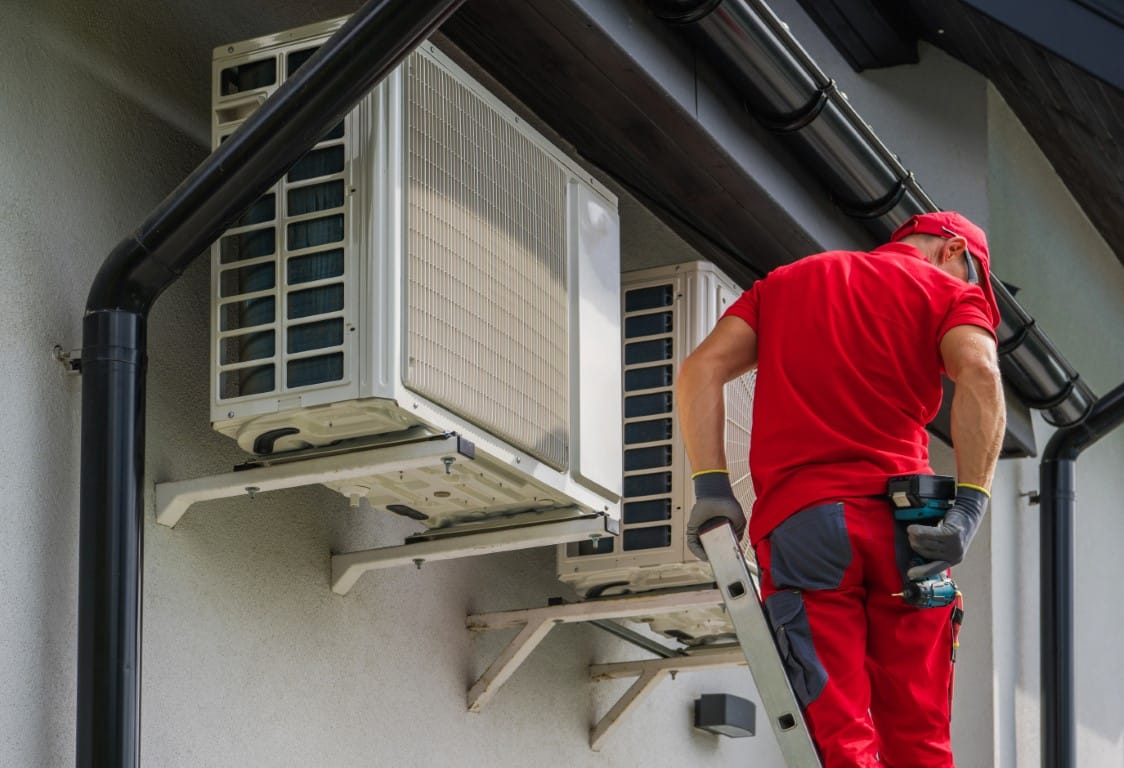 Step 1
 Diagnostic Visit
A licensed technician troubleshoots your system to find the root cause — not just the symptom. We explain what failed and why in plain language before anything else happens.
- Root-cause diagnosis
- Plain-language explanation
- All makes and models
- Full troubleshooting of the failed systemWe test components systematically instead of guessing at parts.
- Root cause identified, not just the symptomFixing the underlying problem keeps the same failure from coming back.
- Findings explained before any work beginsYou see what we found and can ask questions before deciding.
- Safety issues flagged immediatelyIf we find anything unsafe, you hear about it on the spot.
 Step 2
 Upfront Options
Before any work starts, you get a clear quote. If the repair cost is high relative to your equipment's age and condition, we'll tell you honestly whether replacement makes more sense.
- Upfront pricing
- Repair vs. replace advice
- No surprise charges
- Written quote approved before work beginsYou know the cost up front — no surprises on the final bill.
- Honest repair-versus-replace guidanceIf replacement is the smarter spend, we say so — with the numbers to back it up.
- Options laid out when more than one fix existsWhere there's a choice, you see each path and what it costs.
- No work without your go-aheadNothing is repaired or replaced until you approve it.
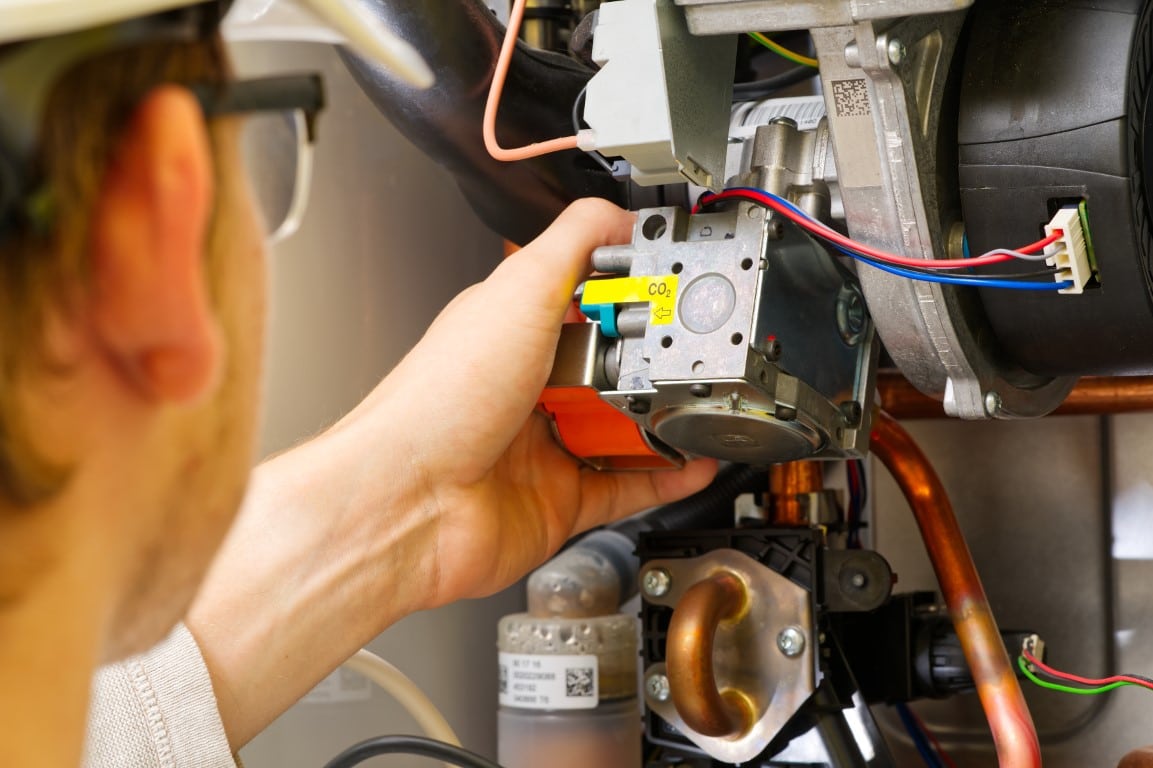 Step 3
 The Repair
Our trucks are stocked with common parts, so many repairs are completed the same visit. We use quality parts and test the fix before calling the job done.
- Stocked trucks
- Quality parts
- Same-visit fixes when possible
- Quality replacement parts installedComponents matched to your system, not whatever happens to fit.
- Many repairs completed in one visitStocked trucks mean fewer return trips for common failures.
- Work area kept clean and protectedWe protect floors and surfaces and leave the space the way we found it.
- Repair tested under real operating conditionsThe fix runs through a full cycle before we sign off on it.
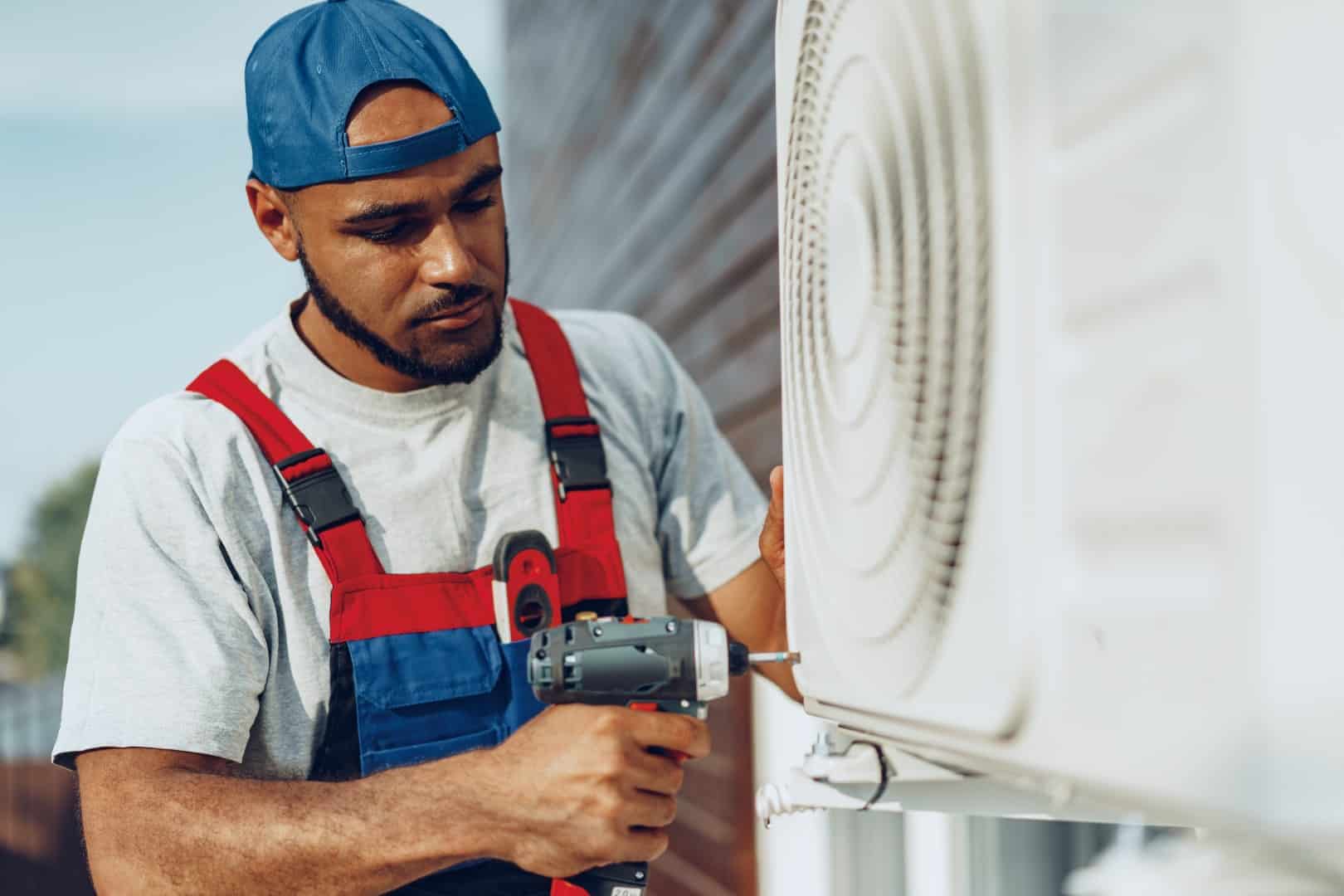 Step 4
 Verify & Prevent
After the repair, we run the whole system to confirm it's working properly — then show you what caused the failure and how to keep it from happening again.
- Full-system check
- Prevention advice
- Maintenance options
- Full system run-through after the fixWe verify the whole system performs properly, not just the repaired part.
- Cause of failure explainedYou know what went wrong and what to watch for going forward.
- Prevention steps you can takeSimple habits — like regular filter changes — that extend equipment life.
- Optional maintenance plan to catch issues earlyRegular tune-ups spot small problems before they become breakdowns.
We work with brands you trust
As authorized dealers and installers, we carry top-rated HVAC and home comfort equipment from leading manufacturers.















What HCP brings to every heating repair
We identify the root cause -- not just the symptom -- so the repair actually solves the problem the first time.
We check for carbon monoxide leaks, inspect the heat exchanger, and verify combustion before we leave.
If repair makes sense, we fix it. If replacement is the better path, we tell you honestly and explain your options.
We diagnose the real problem so you only pay for the repair you actually need
Common symptoms we see every winter. Uneven heating, strange noises, frequent cycling, and rising energy bills are the most common signs of trouble. In Connecticut's cold climate, addressing these promptly prevents bigger problems -- and bigger costs.
Start with the basics first. Check your thermostat settings, inspect circuit breakers, and make sure filters are not clogged. If the issue persists -- or involves gas lines, electrical connections, or the heat exchanger -- it is time for a professional assessment.
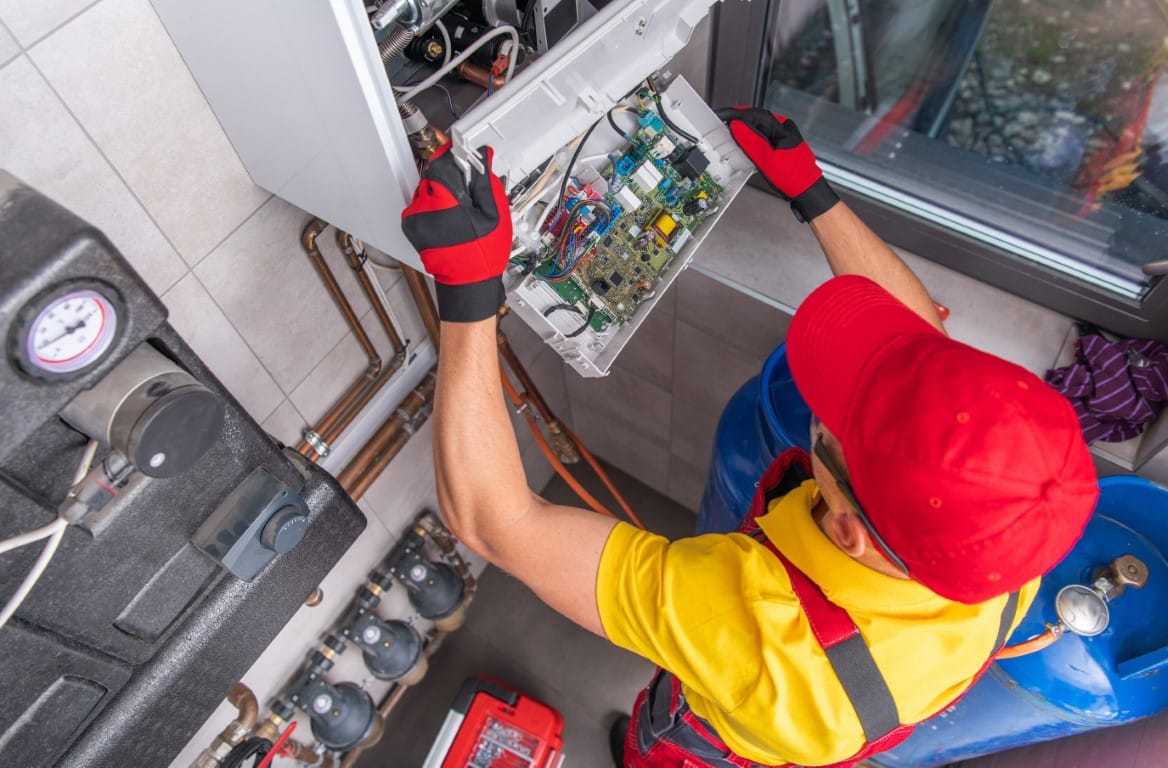
When to call for help
No warm air or inconsistent heating
Strange noises (banging, whistling, rumbling)
System cycling on and off frequently
Sudden spike in energy bills
Unusual smells or visible damage
Technical details
What actually goes wrong inside a heating system
Small problems compound into expensive repairs
Faults rarely arrive all at once. A thermostat that has drifted out of calibration causes short-cycling; dirty filters restrict airflow and force the system to work harder; electrical faults show up as erratic starts or tripped breakers — each one accelerating wear on the others until a minor fix becomes a major repair.
- Filters checked monthly and replaced every two to three months
- Thermostat drift causes short-cycling and wasted fuel
- Airflow restriction pushes components toward overheating
Some heating faults are a safety matter, not just a comfort issue
A cracked heat exchanger releases CO. The heat exchanger separates combustion from your living-space air, and a crack in it can let carbon monoxide — colorless and odorless — enter the home; warning signs include soot buildup, a yellow or flickering pilot flame, or unusual odors, and any of them means the system should be shut down and inspected immediately.
- Carbon monoxide detector recommended near the system and sleeping areas
- Yellow or flickering pilot flame is a warning sign to shut down
- Gas lines, electrical, and heat exchanger repairs require a licensed technician
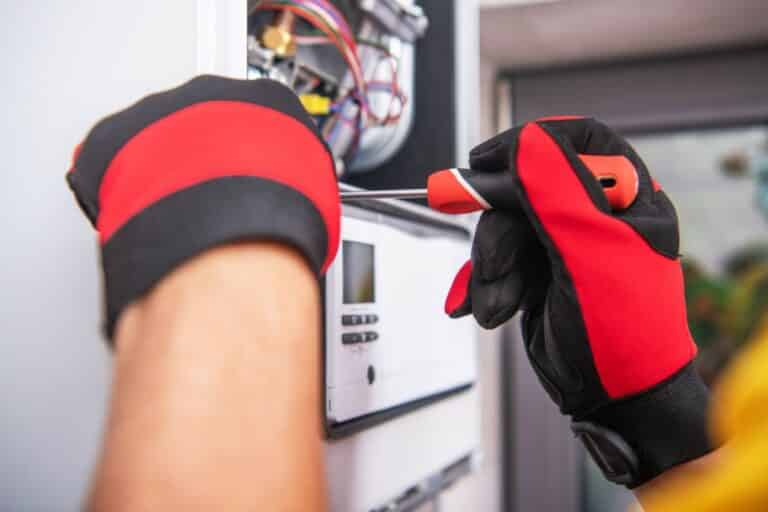
Trusted by Connecticut families for heating service




Heating emergency?
Get a free estimate -- request a diagnostic visit through our form.
Heating services
Whether you need installation, repair, or a full replacement, we handle every heating system.
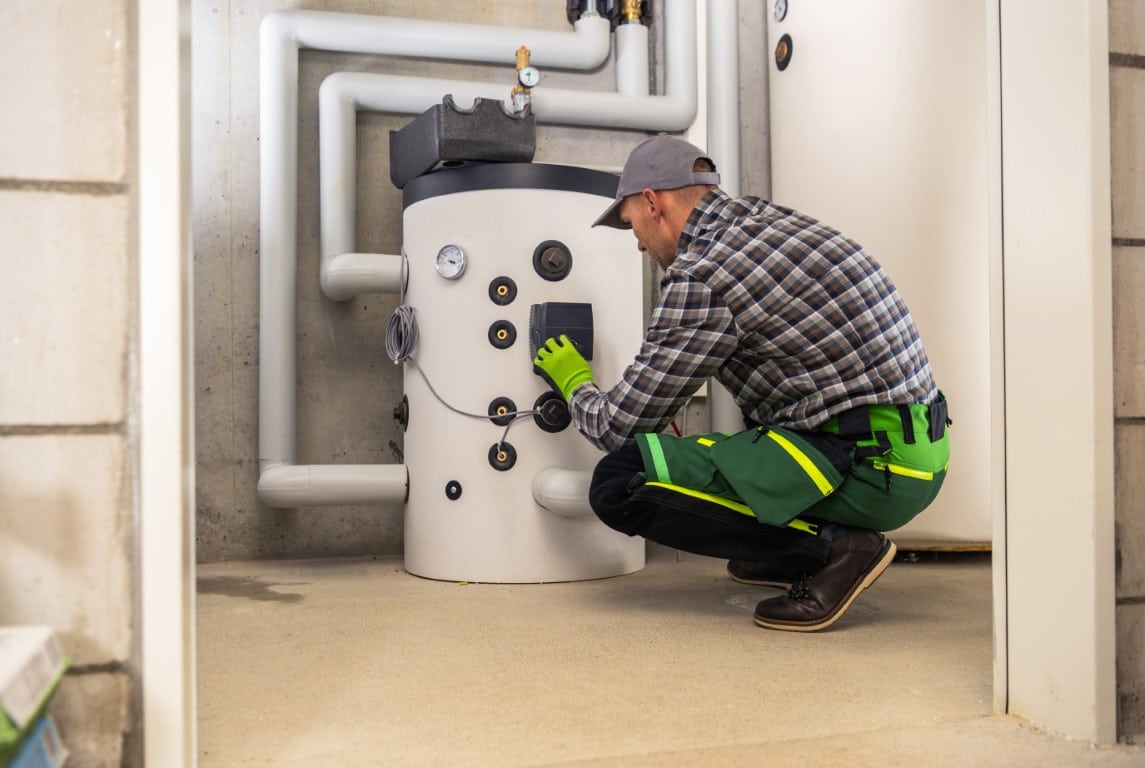
Heating Installation
New furnace, boiler, or heat pump — installed with rebate support
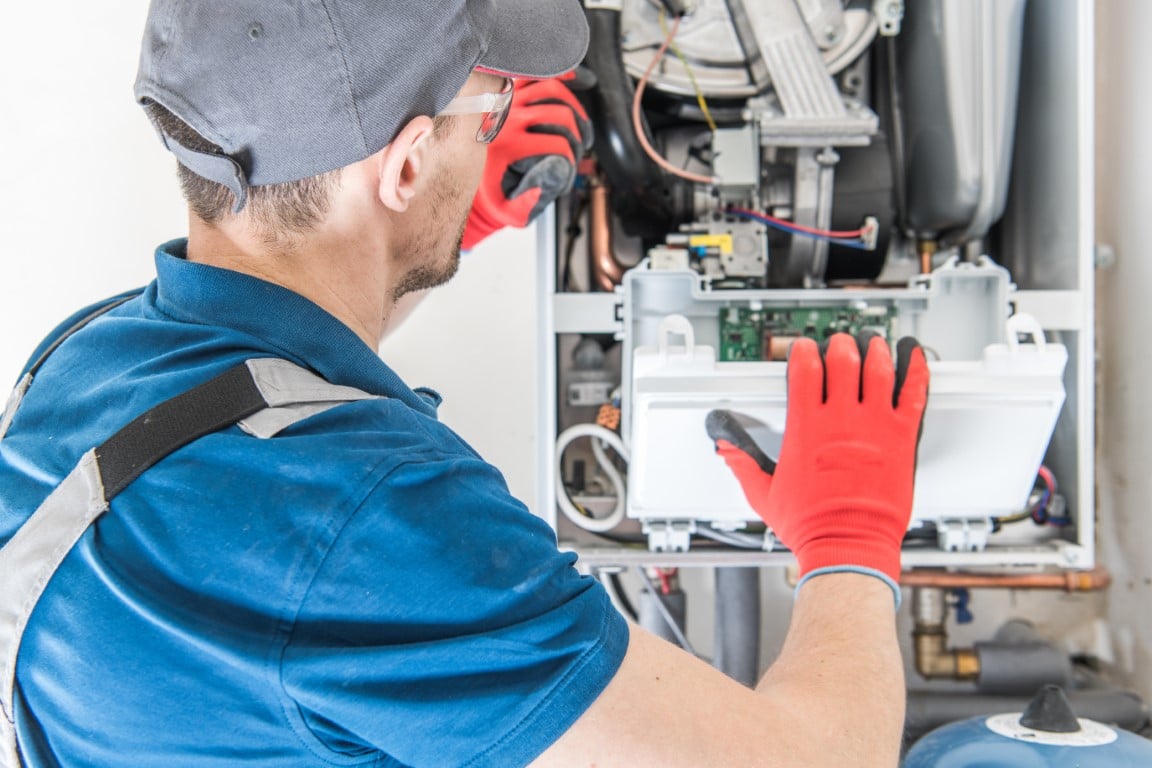
Heating Replacement
Upgrade an aging system to modern efficiency
Heating Repair
Fast diagnosis and honest repair recommendations
Heating Maintenance
Bi-annual tune-ups to extend system life
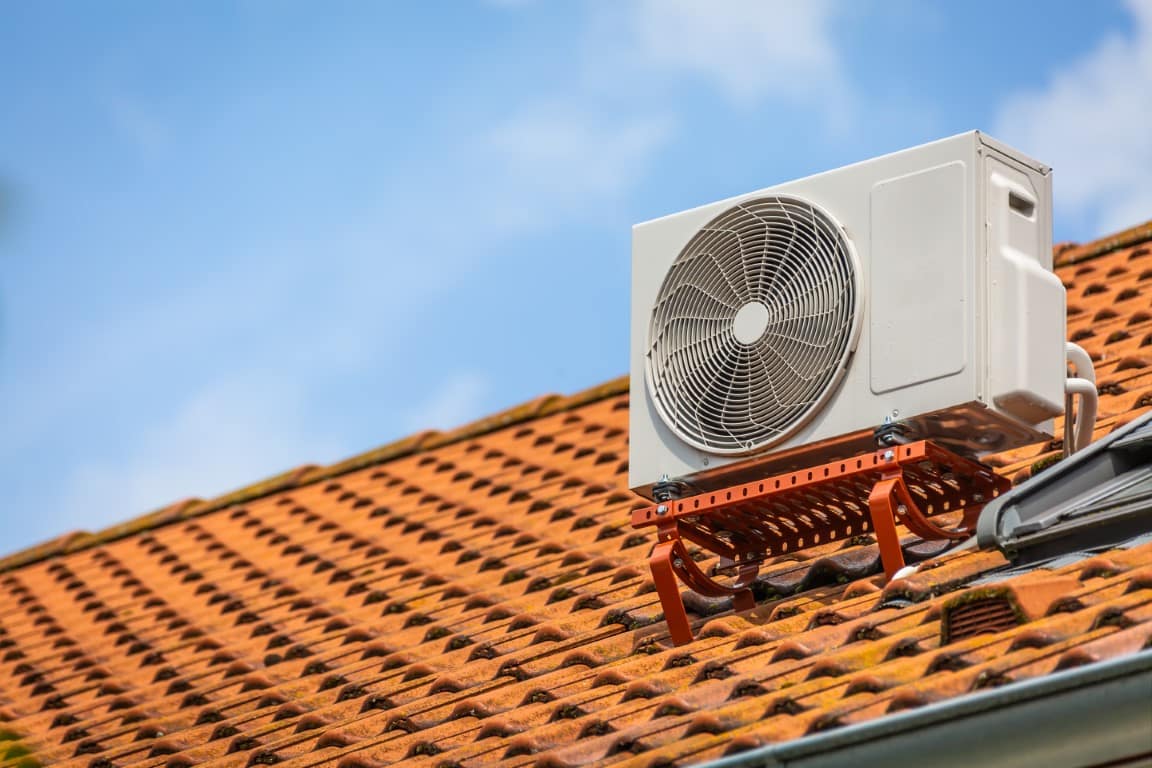
System Comparison
Side-by-side comparison of heating options

Heating Rebates
Energize CT rebates up to $10,000 for heat pumps
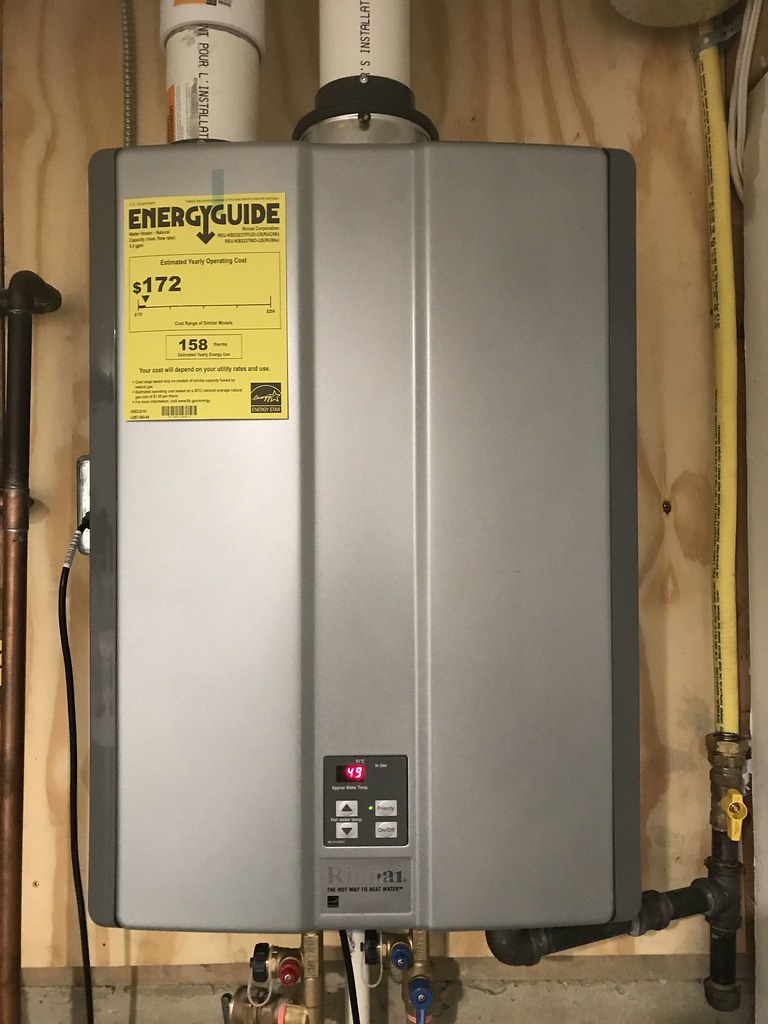
Water Heaters
Heat pump water heaters and high-efficiency tank replacements.
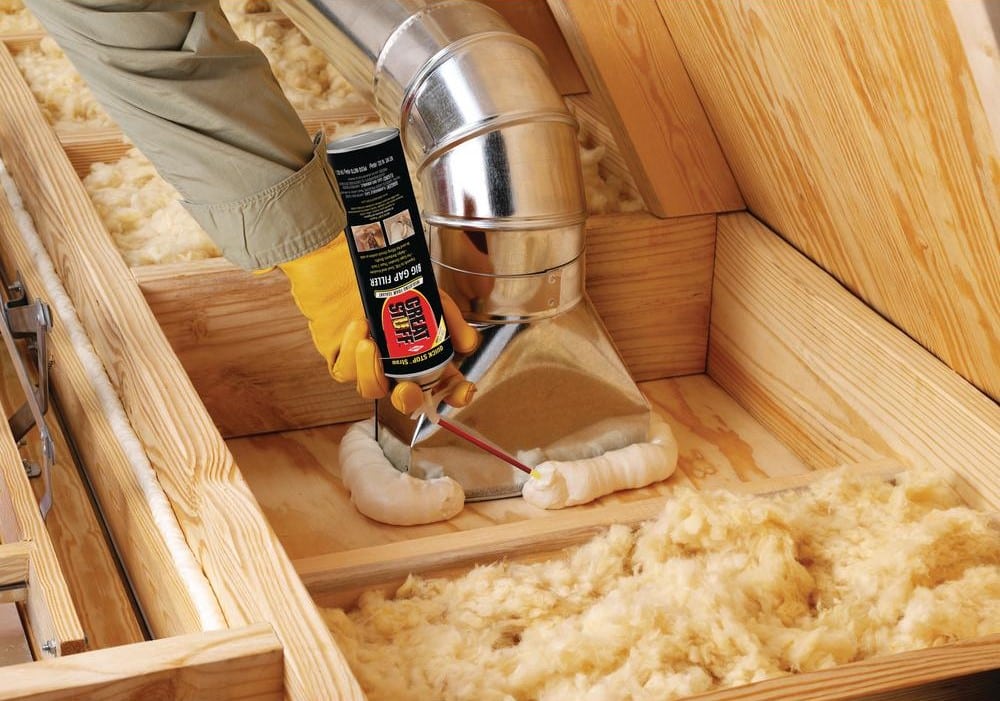
Air Sealing
Seal gaps and cracks that let conditioned air escape and outdoor air in.
Heating problem? We can help.
Honest diagnosis. We fix what needs fixing and tell you the truth about the rest.