
Reliable, affordable insulation for the cavities in your home
Fiberglass and mineral wool batts fit standard stud and joist cavities precisely, delivering consistent warmth and quieter rooms. Energize CT rebates cover 75-100% of the cost for eligible Connecticut families.
What batt insulation does for your home
We handle Energize CT pre-approval so eligible families pay little to nothing out of pocket. The $2.00 per square foot rebate covers 75-100% of approved project costs, and we file the paperwork on your behalf.
We fill each cavity completely — stud to stud, top to bottom, no gaps. Properly fitted batts keep warmth in the walls where it belongs, so cold spots next to exterior walls and between floors disappear for good.
Where acoustic performance matters — between floors, shared walls, or exterior-facing bedrooms — we install mineral wool batts. Denser than fiberglass, they absorb sound and give rooms a measurably calmer feel.
Where it fits
Where batt and roll insulation work best in your home
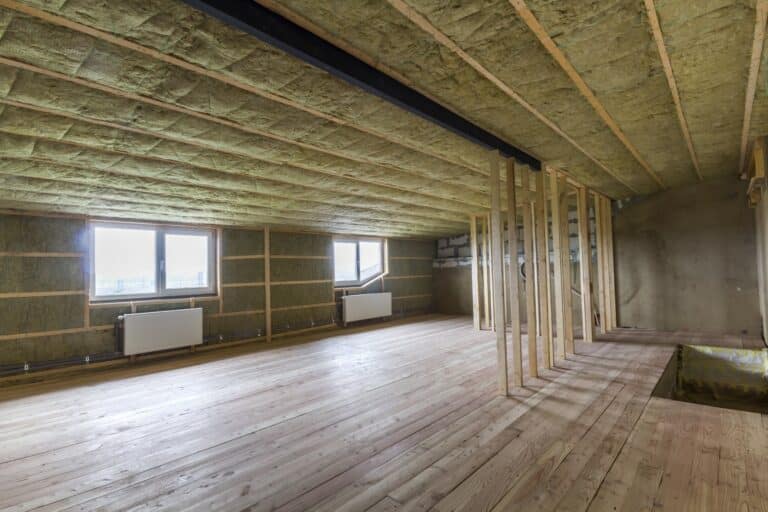
Rolls cover open runs; batts fit framed cavities
Roll and batt are the same material in two formats. Rolls cover large uninterrupted areas like an open attic floor with fewer seams; batts come pre-cut to standard lengths and drop between studs, joists, and beams — where a space is irregular or needs a continuous air seal, blown-in or spray foam usually performs better, and we will say so during the assessment.
- Rolls: ideal for open, unobstructed areas with minimal cutting
- Batts: pre-cut to standard framing dimensions for walls and ceilings
- Irregular or heavily obstructed spaces get blown-in or spray foam instead
Attics, walls, floors, basements, and ductwork
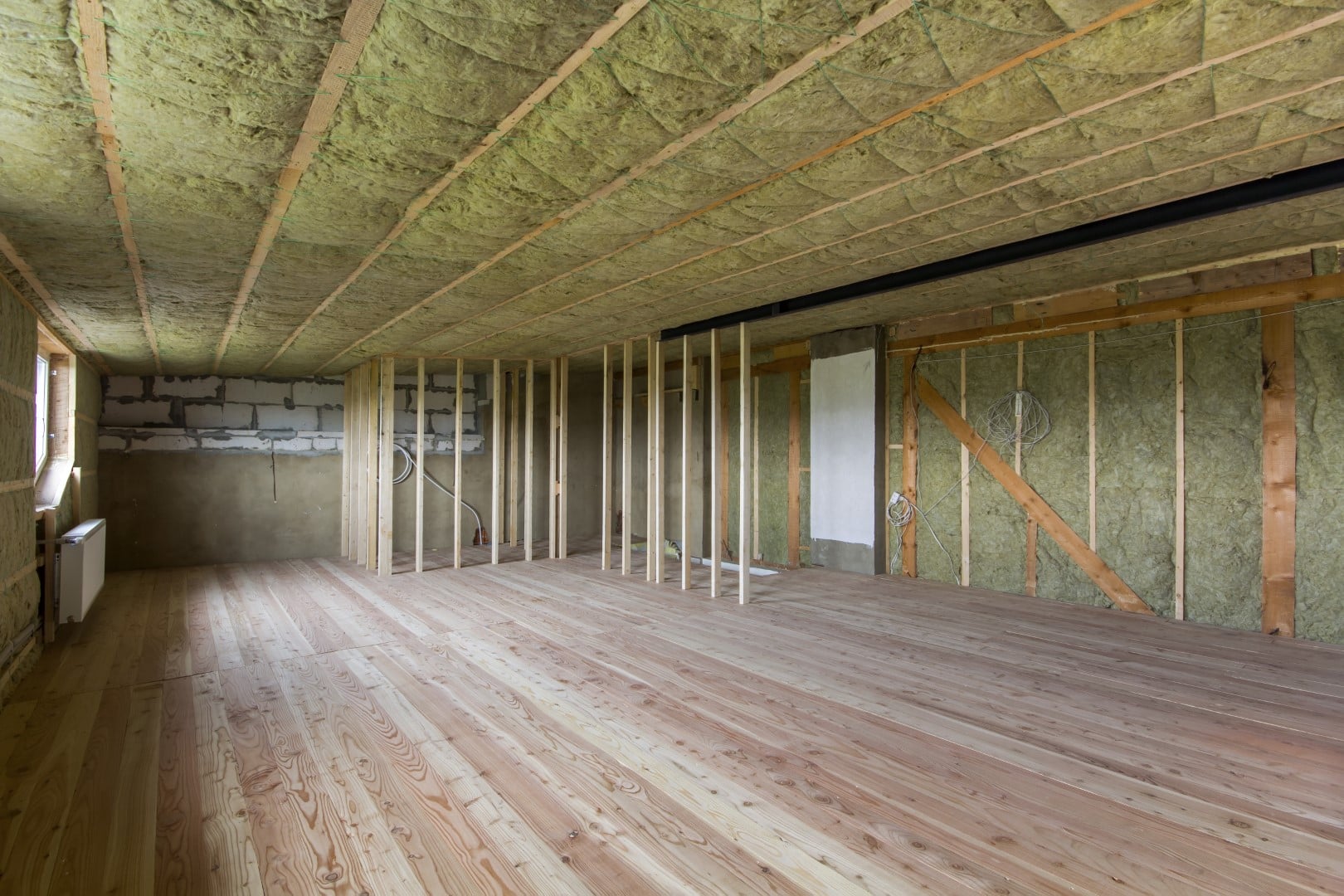
Batt insulation covers most parts of the house. In attics it fits between rafters to slow winter heat loss; in framed walls it sits between studs for steady comfort; under floors above unheated spaces it holds temperatures consistent; against basement framing it regulates temperature and protects pipes; wrapped on ducts it keeps conditioned air at temperature so your system works less.
- Attics and rooflines: slows the heat loss that drives up Connecticut winter bills
- Floors above unheated spaces: holds interior temperatures consistent year-round
- Ductwork wrap: keeps conditioned air at temperature through the run
The cost-effective insulation for accessible cavities
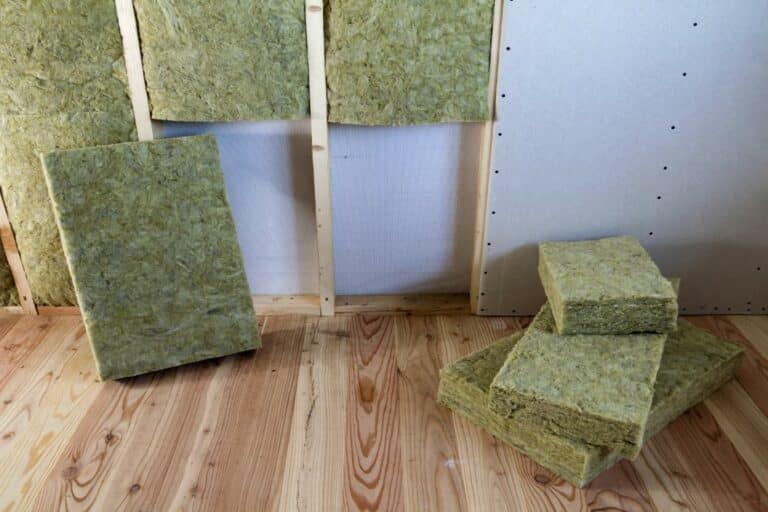
Fiberglass batts are the most prevalent type of batt insulation — fine strands of glass woven together that are lightweight, cost-effective, and available in a wide range of R-values (R-13 to R-31) to match different cavity depths and Connecticut energy code requirements. Batts fit standard wall, floor, and ceiling cavities and can be cut to fill irregular spaces, with foil or paper facings that act as vapor barriers.
Mineral wool batts (rockwool) are made from rock or steel slag. Denser than fiberglass, they offer a slightly higher R-value per inch plus natural fire resistance and superior soundproofing — the better choice for fire-rated assemblies and between-floor noise reduction.

Fiberglass vs. mineral wool — how to choose
Fiberglass — lightweight, most cost-effective, R-13 to R-31
Mineral wool — denser, fire-resistant, higher R-value per inch
Vapor barrier facings included on exterior-facing installations
Can be cut to fit around wiring, plumbing, and odd cavities
Both types are eligible for Energize CT rebates
How the work is done
Why a careful install is what protects the R-value
We air-seal every gap before the batt goes in
A batt is only as good as the install behind it. Our specialists clear out old or compacted insulation and seal gaps around penetrations, top plates, and seams first — air leaking through those openings cuts straight into the batt's rated R-value, and sealing first is what lets the material actually deliver the performance on the label.
- Old or compacted insulation removed before the new layer goes in
- Penetrations, top plates, and seams sealed to stop air bypass
- Air sealing first is what allows the batt to reach its rated R-value
Each batt is fit snug, faced correctly, and finished clean
Compression and gaps are the two most common installation faults. Each batt is measured and cut to fill the cavity completely; around wiring, plumbing, and outlet boxes we split and tuck rather than crush, meeting the Grade 1 standard — faced batts go with the kraft or foil side toward the heated space, the cavity closes with drywall, and our team cleans up and walks the finished job with you.
- Batts measured, cut, and split around obstructions — never compressed
- Grade 1 installation standard: no voids, no gaps, uniform coverage
- Kraft or foil facing oriented toward the warm, heated side of the assembly
Insulation rebates cover 75-100% of your project
Between Energize CT and federal tax credits, most CT families pay little to nothing for qualifying insulation work.
Energize CT insulation rebates
75-100% covered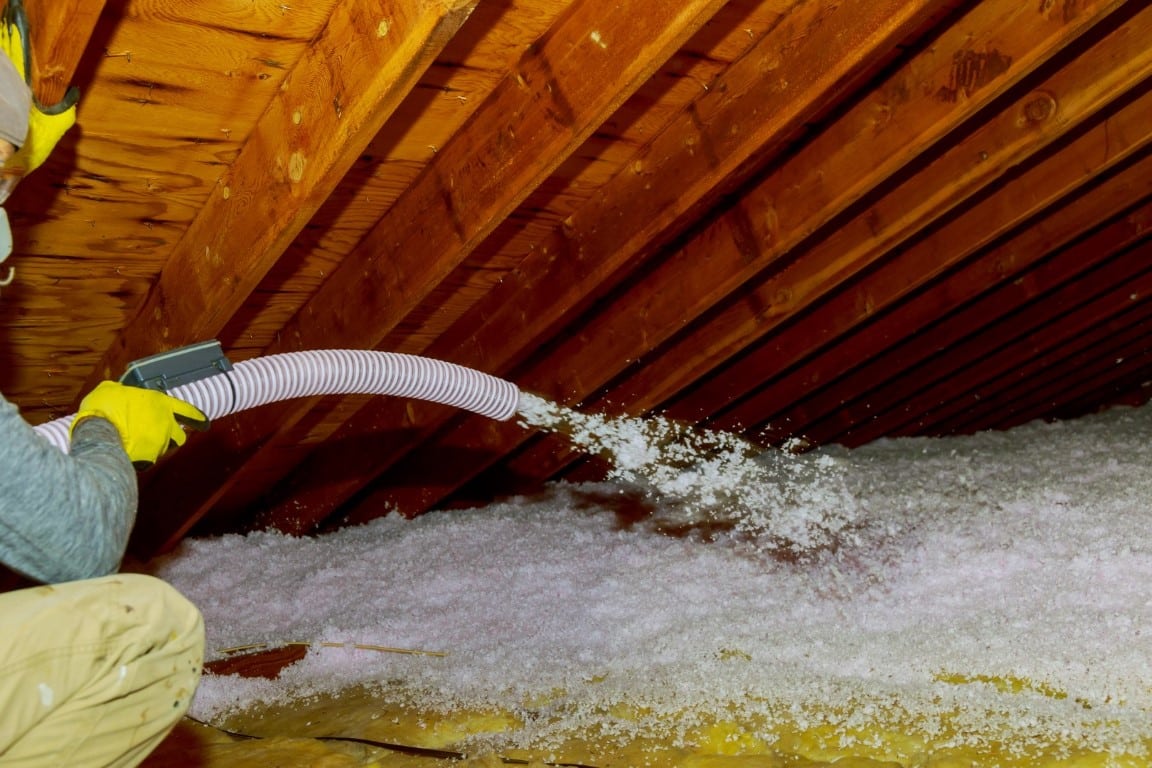
As an Energize CT Authorized Contractor, HCP helps you access rebates funded by your utility bill. Your home energy audit copay is just $40.
- $2.00/sq ft insulation rebate
- 75-100% of total project cost covered
- Includes attic, wall, basement, and crawl space
Financing for insulation projects
Low-rate financing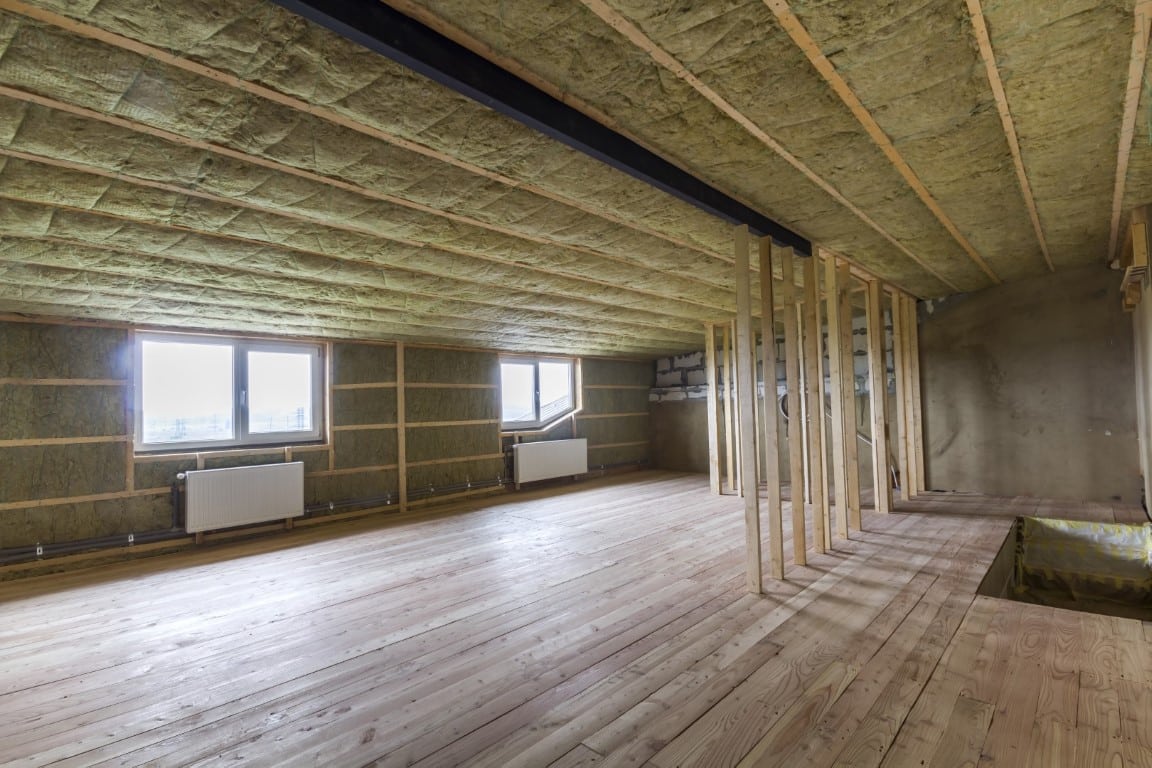
For the portion not covered by rebates and credits, flexible financing helps you start insulating now.
- Smart-E Loan low fixed rates for energy improvements
- On-bill financing pay through your monthly utility bill
Connecticut families trust HCP with their insulation







CT HIC License HIC #0644515 CT HTG License HTG #0303270-S1
Energize Connecticut — programs funded by a charge on customer energy bills.
Compare insulation materials
Every material has strengths. We help you choose based on your home’s needs.
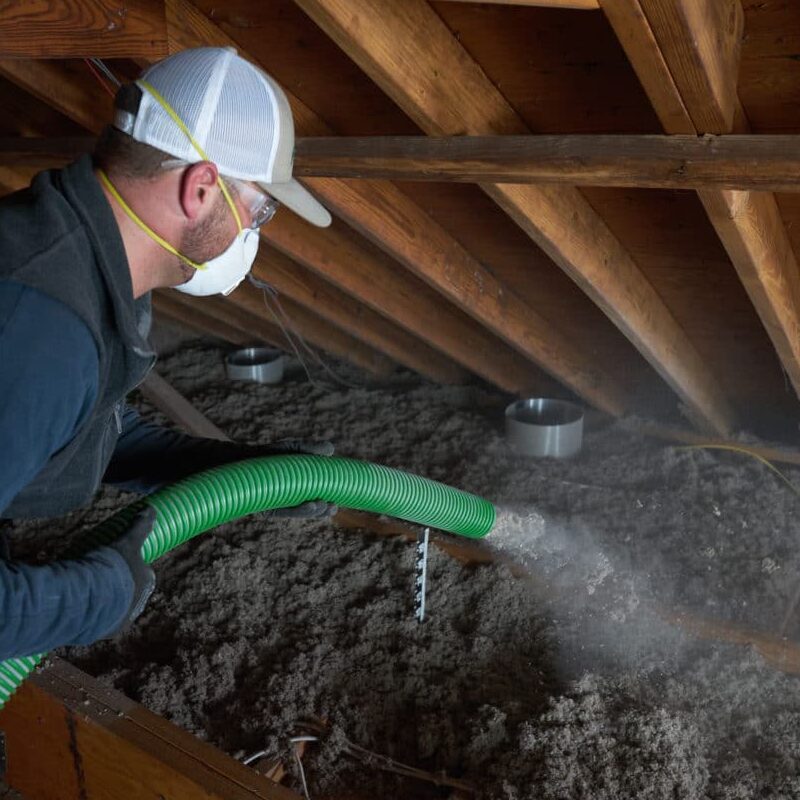
Cellulose Insulation
Recycled content, excellent dense-pack performance
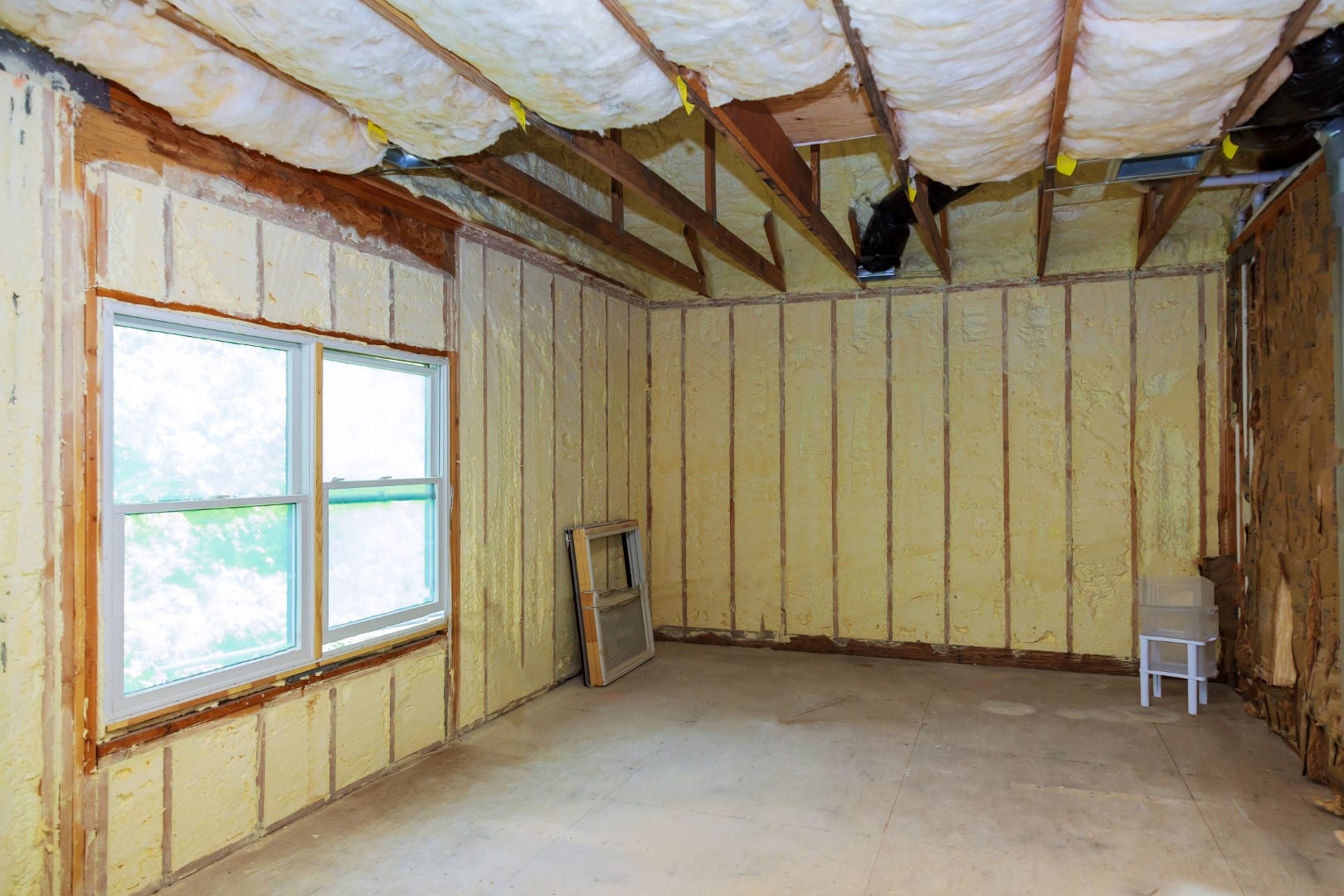
Spray Foam Insulation
Air seal and insulate in one step
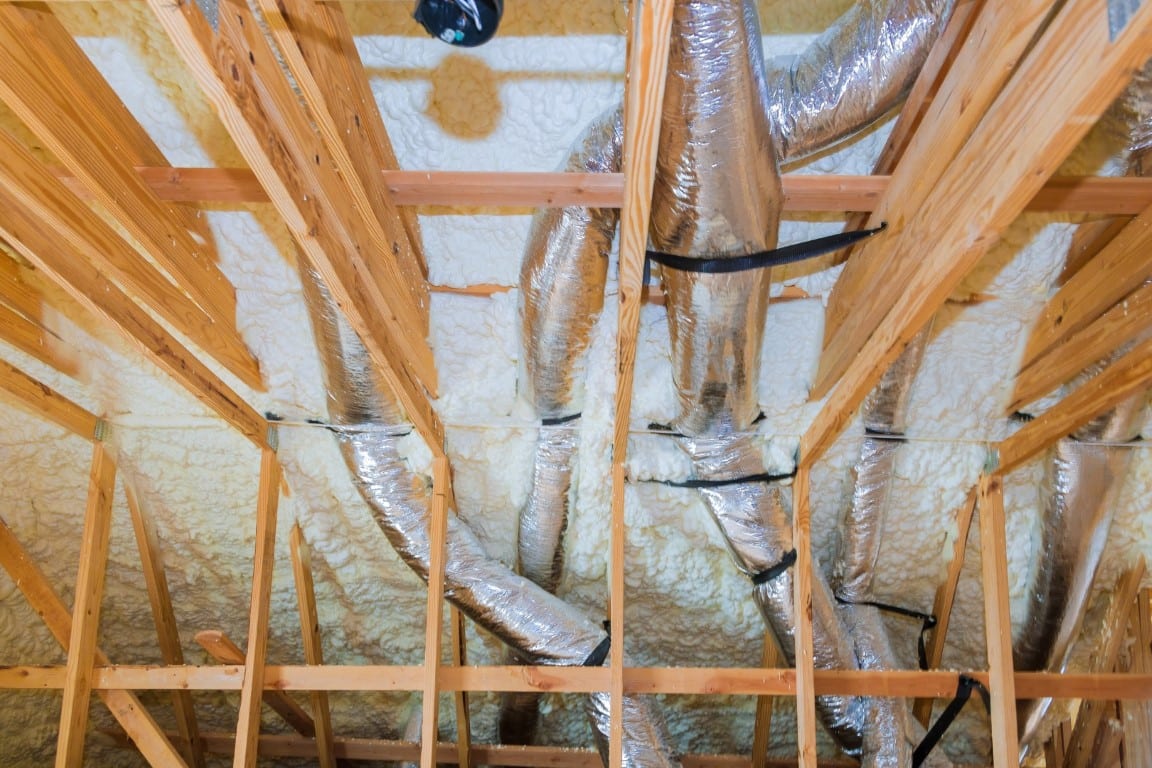
Batt Insulation
Cost-effective for open cavities and new construction
Rigid Foam Board
High R-value per inch for basements and foundations
Need guidance?
Our team can answer any questions about batt insulation during your free estimate.
Find out if batt insulation is the right choice for your home
Schedule online or call — free estimates for batt insulation projects, with Energize CT rebates that can cover most of the cost.