
Spray foam insulation that seals air leaks and stops moisture in one step
Spray foam expands to fill every gap, creating an airtight barrier that blocks air leaks and moisture in a single application. Energize CT rebates can cover 75-100% of the cost for eligible Connecticut projects.
What changes in your home after spray foam
The drafts that crept in around penetrations and through gaps stop, and rooms hold a steadier temperature instead of swinging hot in summer and cold in winter.
Open-cell foam dampens noise carrying through walls and ceilings, while closed-cell foam keeps moisture out of basements and crawl spaces so the damp that feeds mold has nowhere to settle.
With the air seal in place your heating and cooling system stops fighting leaks it can't see, so it runs less to hold the same temperature and your monthly energy bills ease.
How it works
How spray foam seals and insulates in a single step

Spray foam bonds to the cavity and seals air movement in one step
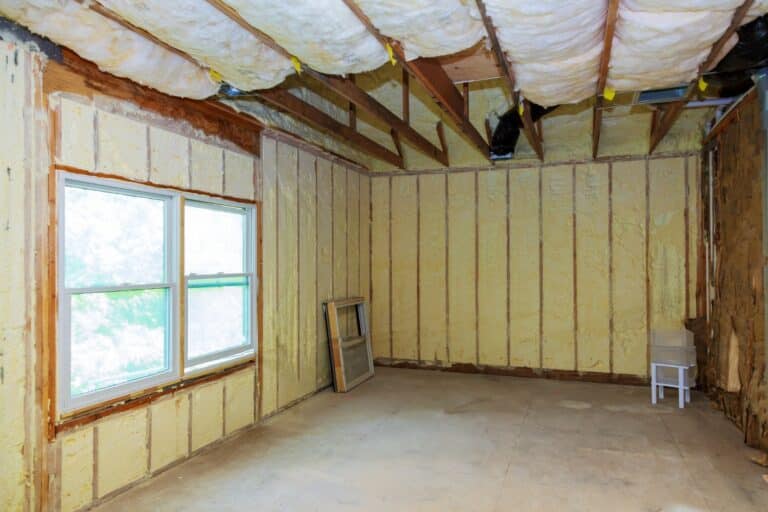
Sealing and insulating happen simultaneously. The two-component liquid reacts and expands on contact, filling gaps and cavities and hardening into a continuous, airtight layer — stopping the convective air movement that carries heat out of your home.
- It bonds to the cavity rather than sitting loosely inside, closing every gap as it expands
- Batts and loose-fill slow heat transfer but do little to stop air leakage; foam handles both
- The result is steadier interior temperatures in winter and summer alike
A controlled process done by trained specialists in proper safety gear
Surface preparation comes first. Old insulation is removed and the surface is prepped so the foam bonds cleanly. In finished walls, foam can be blown through small drilled holes so the cavity fills without opening the wall.
- The mixture expands within seconds of application and cures over the next few hours
- The chemicals are hazardous before curing — trained specialists handle application in contained areas
- The rest of your home stays clean while work is underway
Two types of spray foam, each with a specific role
Closed-cell spray foam delivers R-6.5 to R-7 per inch, acts as a moisture barrier, and adds structural strength to walls and foundations. It is the right choice for basements, crawl spaces, and any area where moisture is a concern.
Open-cell spray foam is more flexible, with an R-value of R-3.5 to R-3.6 per inch. It provides better soundproofing than closed-cell and costs less per square foot, making it a strong option for interior walls and large open areas.
- Higher upfront cost, long-term savings — more expensive than cellulose or batt, but superior air sealing reduces energy bills over time
- Strategic application recommended — we prefer the greenest solutions wherever possible and use spray foam where it matters most: hard-to-reach and obstructed areas where air sealing is critical
- Rebate-eligible through Energize CT — $2.00 per square foot rebate with 75-100% of costs covered for qualifying projects

What you get with spray foam
Airtight air sealing in one application
Moisture barrier with closed-cell foam
Fills irregular spaces other insulation misses
Soundproofing with open-cell foam
Rebate-eligible installation
Where it goes
Where spray foam makes the biggest difference in a Connecticut home
Foam creates a continuous air seal from attic to ductwork
Every location serves a different purpose. In attics, foam seals heat loss and prevents moisture problems. In walls, its expansive nature fills every nook for a complete air seal and solid thermal resistance. On ceilings it reduces thermal bridging and damps noise.
- Attic application is one of the strongest upgrades for temperature control in CT homes
- Duct sealing with foam stops the quiet energy loss that reduces heating and cooling efficiency
- Properly sealed ductwork delivers the air it is meant to, rather than leaking into unconditioned space
Closed-cell foam blocks moisture and heat loss in basements and crawl spaces
Below grade is where closed-cell foam earns its keep. Sprayed on basement walls it blocks energy loss, reduces moisture infiltration, and helps guard against mold. In crawl spaces it seals air leaks and acts as a moisture barrier against the damp that breeds mold.
- Foundation walls: cuts heat transfer, deters moisture intrusion, and adds structural integrity
- Crawl spaces: seals air leaks and provides a moisture barrier against ground damp
- Under floors: holds steady indoor temperatures and curbs drafts in homes raised above the ground
Insulation rebates cover 75-100% of your project
Between Energize CT and federal tax credits, most CT families pay little to nothing for qualifying insulation work.
Energize CT insulation rebates
75-100% covered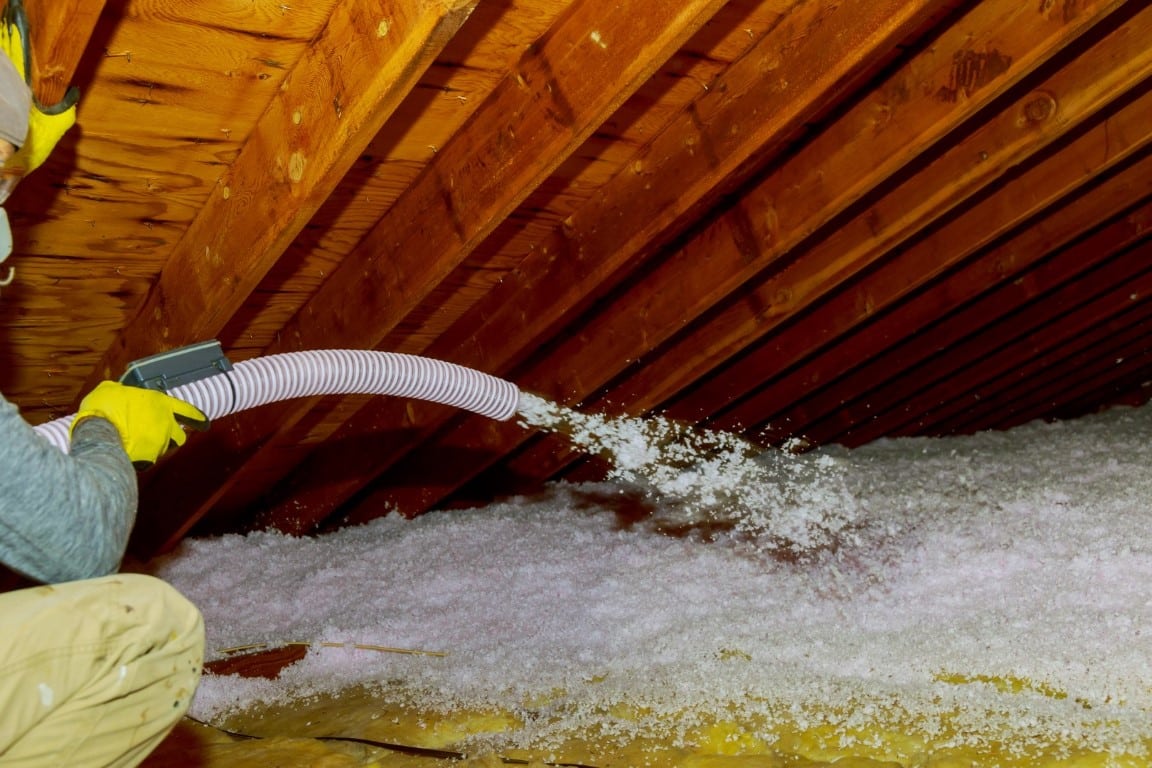
As an Energize CT Authorized Contractor, HCP helps you access rebates funded by your utility bill. Your home energy audit copay is just $40.
- $2.00/sq ft insulation rebate
- 75-100% of total project cost covered
- Includes attic, wall, basement, and crawl space
Financing for insulation projects
Low-rate financing
For the portion not covered by rebates and credits, flexible financing helps you start insulating now.
- Smart-E Loan low fixed rates for energy improvements
- On-bill financing pay through your monthly utility bill
Connecticut families trust HCP with their insulation



Need guidance?
Our team can answer any questions about spray foam during your free estimate.









CT HIC License HIC #0644515 CT HTG License HTG #0303270-S1
Energize Connecticut — programs funded by a charge on customer energy bills.
Compare insulation materials
Every material has strengths. We help you choose based on your home’s needs.
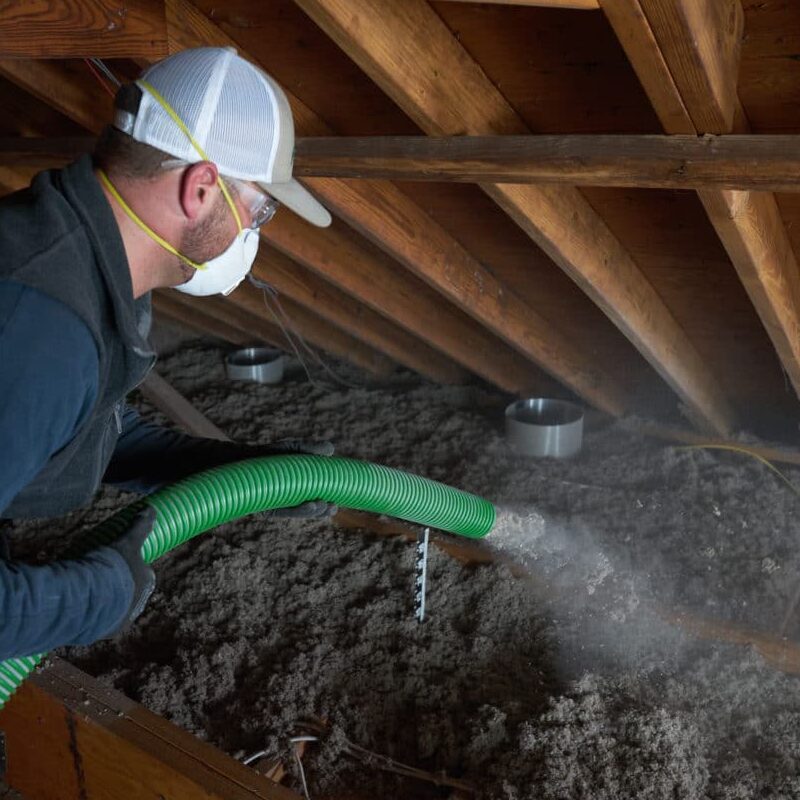
Cellulose Insulation
Recycled content, excellent dense-pack performance
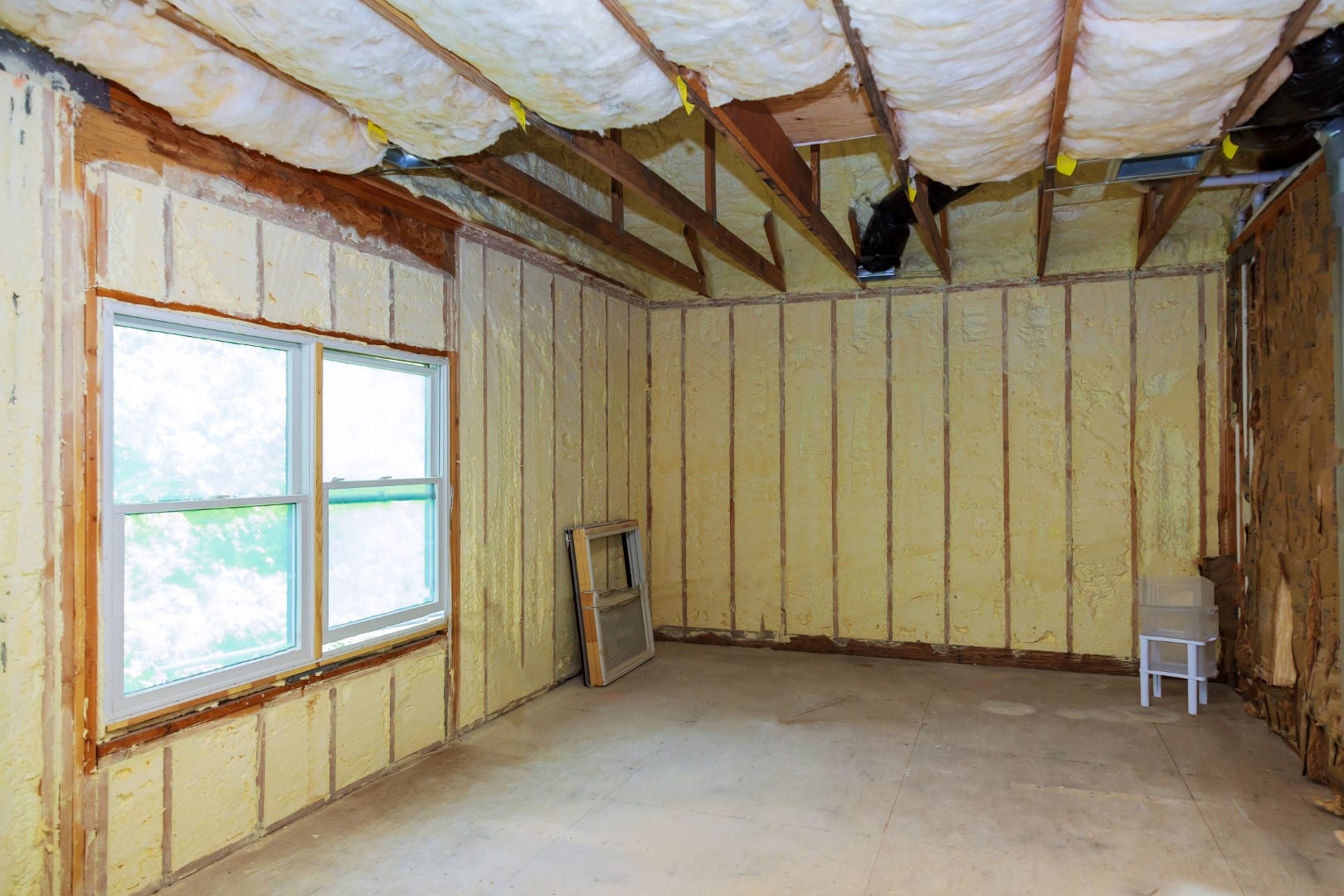
Spray Foam Insulation
Air seal and insulate in one step
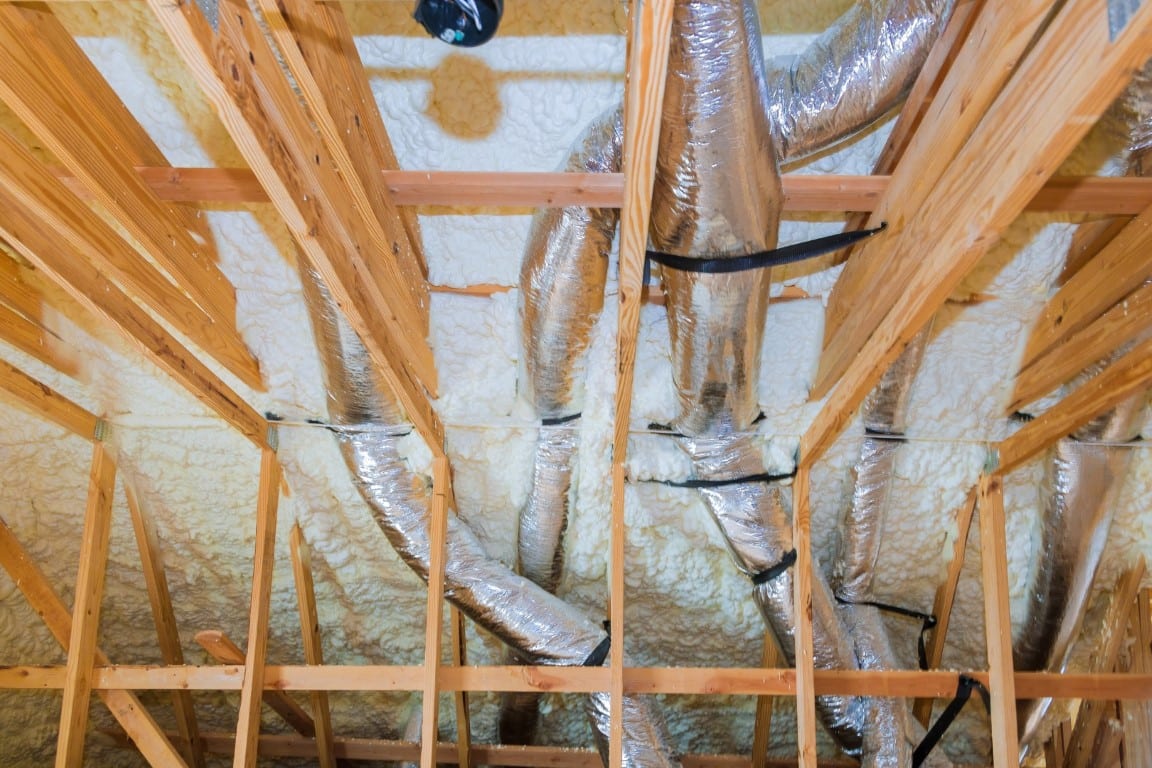
Batt Insulation
Cost-effective for open cavities and new construction
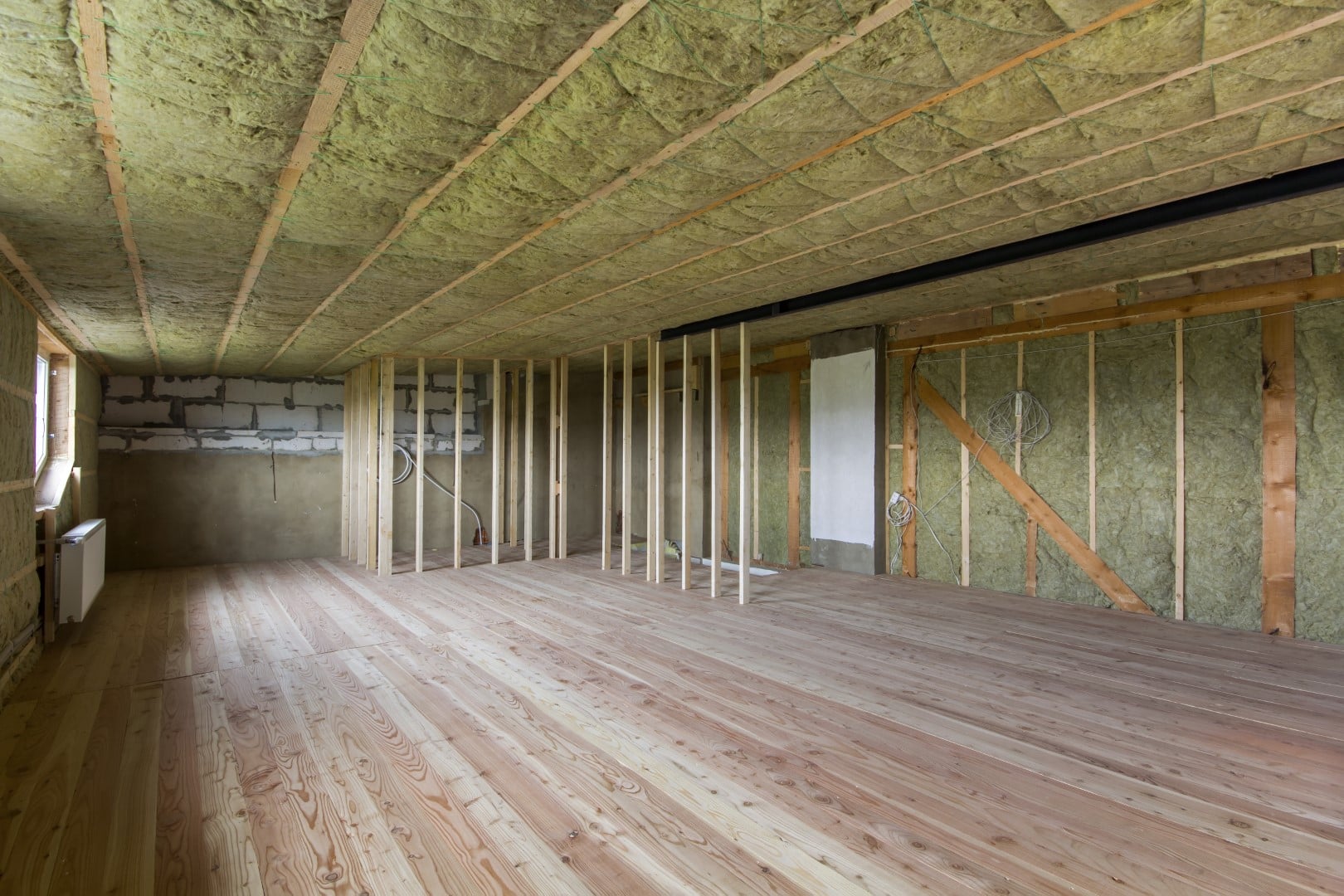
Rigid Foam Board
High R-value per inch for basements and foundations
Find out if spray foam is right for your Connecticut home
Tell us about the space you want sealed and our team will recommend the right approach. Free estimates, no obligation.